

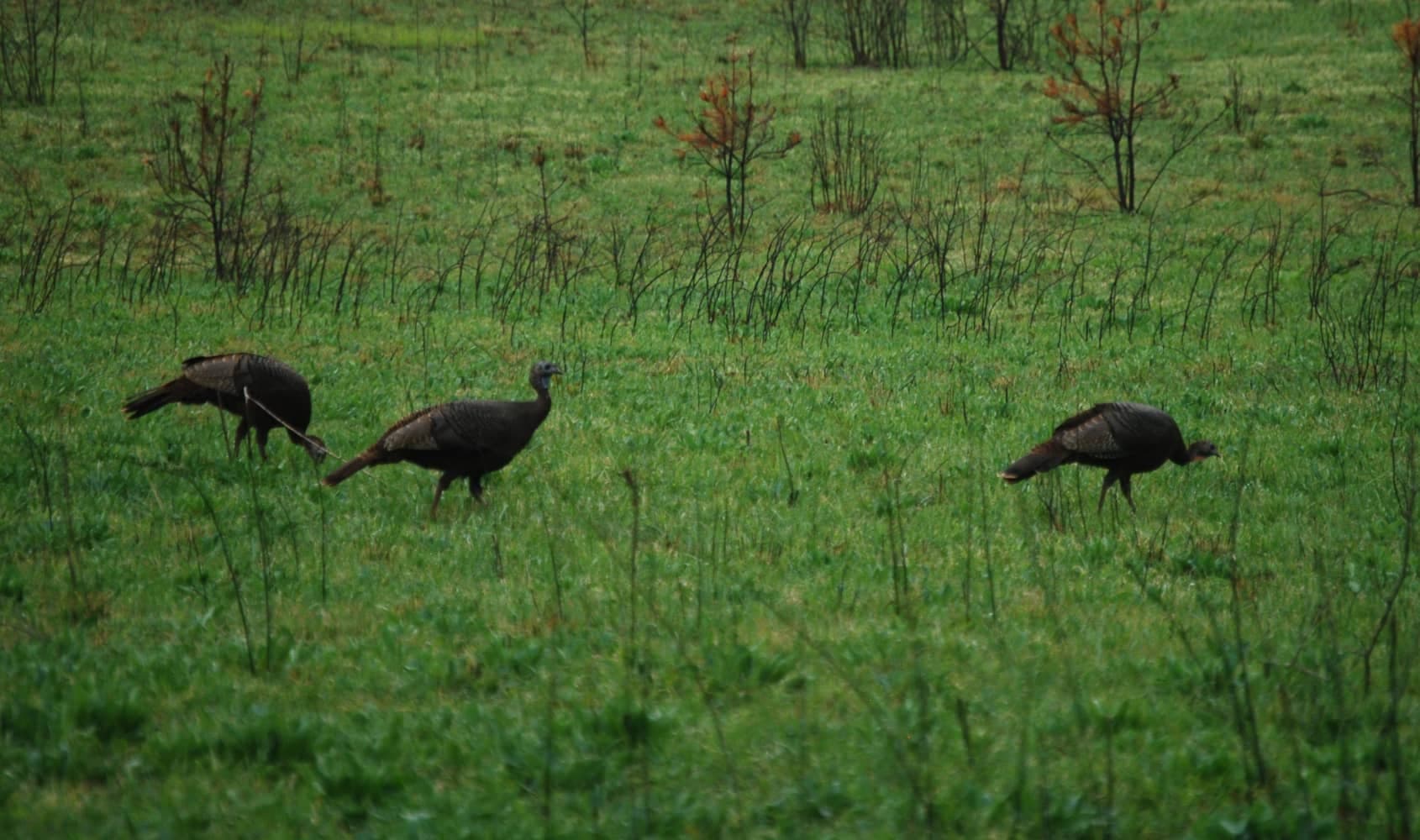
Turkey Calling Tips to Minimize Mistakes in Spring Gobbler Season
You hear him gobble from the roost at first light. You yelp back. He fires off twice more. Your heart’s pounding. You call again. He gobbles once — then nothing. Five minutes pass. Ten. You ease your head up and scan the field edge. He’s 200 yards out, standing there like a statue, looking directly at you, not moving an inch.
Sound familiar?
That scenario plays out on public and private ground across the country every spring. And almost every time, the caller made the same mistake: they said too much.
Good turkey calling isn’t about volume or variety. It’s about knowing what that bird needs to hear, when to give it to him, and when to just let the woods do the work. Here are the turkey calling tips that actually make a difference — not the stuff you already know, but the truth about how birds use sound to decide whether to come in or not.
What Your Calls Are Really Communicating
Every call you make tells a turkey something. Yelps are location checks — “I’m here, where are you?” Clucks are calm, content sounds — “I’m feeding, nothing’s wrong.” Cutts are excited, frantic — “I’m fired up and looking for company.” Purrs are close-range contentment. Cackles happen when a hen flies down.
The mistake most hunters make is treating turkey calling like volume control. More gobbles from him = more calling from you. That’s backwards. Turkeys communicate in context. A real hen doesn’t call back every time a gobbler sounds off. She might go quiet. She might move away. And more often than not, he’ll come to her.
That’s the dynamic you’re trying to create.
When to Call Aggressively
Aggressive calling works in specific situations. Get this wrong, and you’ll blow birds out even with the best turkey calls on the market.
He’s fired up on the roost and hasn’t been pressured. Opening week, early season, first time you’ve sat that area — if he’s hammering every tree and owl in the woods, fire back. Match his energy. Cutts, fast yelps, excited cackle right as he flies down. You’re trying to make him think a hot hen is right there, ready to go.
He’s with hens and you can’t break him loose. This one’s counterintuitive. If you’re soft-calling and he’s locked onto real hens 150 yards away, try getting loud and aggressive. You’re not calling to him at this point — you’re trying to fire up the hens. If one of them gets irritated and walks toward you to confront the competition, he’ll follow her. It works more than people think.
He’s coming but stalled. Sometimes a bird is moving your way, his drumming is getting louder, and then he just stops. One sharp cutt — not a series, just one — can break him out of that hesitation. Give him something to close the distance for.
The key with aggressive calling: have a reason for it. Don’t just cut and run because the first yelp didn’t get a response.
#1 Turkey Calling Tip | Reading Gobbler Body Language
If you can see the bird, watch him before you open your mouth. His posture tells you everything.
A gobbler walking with his head up, fanning occasionally, looking around — he’s curious but not committed. Call softly. Give him something to investigate, not something to run from.
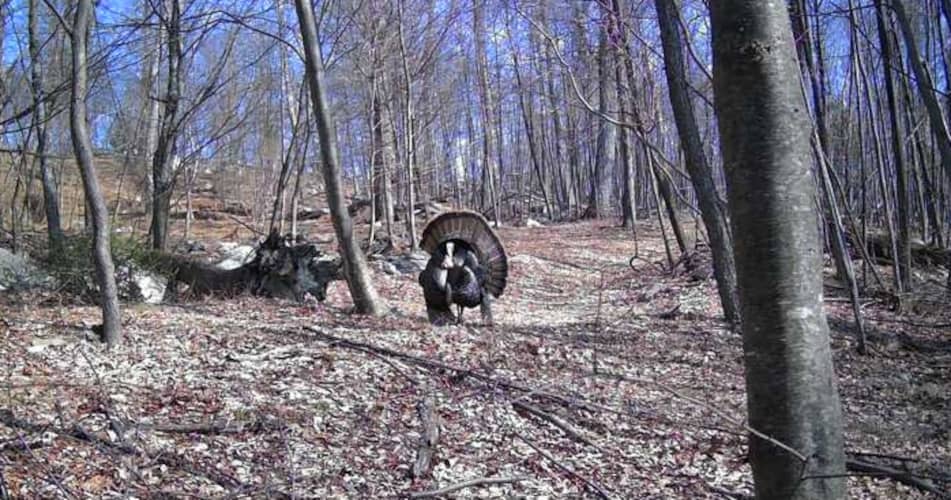
A strutter locked in full display with his head pulled back and tail fanned — he thinks hens are near. One or two soft clucks is enough. He already knows something’s there.
A bird with his head down, feeding, not gobbling much — he’s not in the mood. Patient, subtle calling over a long stretch can pull him in, but you’re working uphill. Low clucks and soft purrs. Long pauses between calls.
A bird that gobbles twice at every call and keeps getting closer — shut up. He’s coming. Every additional call you make gives him a chance to pinpoint the exact spot you’re sitting at, and real hens don’t stand still and keep calling from the same rock. Let him close the distance wondering where she went.
When to Shut Up: The Hardest Skill in Turkey Hunting
Silence is a calling strategy, especially when hunting turkeys on public land. Most hunters never learn this because silence feels passive, and passive feels wrong when a bird is gobbling 100 yards away.
But here’s what happens when you go quiet: the gobbler loses the sound. He got a response, he knows something is out there, and now it’s gone quiet. His instinct is to find it. You’ve turned the tables — instead of a hen chasing a gobbler (which is backwards), you’ve got a gobbler chasing a hen.
The rule of thumb a lot of experienced turkey hunters use: if he gobbles twice in a row at your calls without moving toward you, stop calling for 10 to 15 minutes. Just sit. Watch. He may have been waiting for you to stop so he could pinpoint movement. Or he was on the edge of committing and your extra calling was the thing stalling him.
Silence also works when a bird hangs up at a distance. The classic “hung up at 80 yards” problem. Call more? He usually stays put or drifts away. Go completely quiet, wait 20 minutes, then give one soft cluck. He either comes or he was never coming. At least you’ll know.
How Wind, Rain, and Pressure Affect Turkey Calling
Calling in bad weather is different calling.
Wind kills sound fast. On gusty mornings, turkeys can’t hear as well, and they know it. They rely more on visual cues and tend to move to open areas — fields, ridgelines, pastures — where they can see. Call louder, use higher-pitched calls (glass pot calls cut through wind better than mouth diaphragms in a lot of conditions), and set up where you have a sight advantage.
Light rain can be good. Turkeys often move during light drizzle, and the rain masks your movement sounds. Soft calling works well — clucks and purrs. Avoid loud, aggressive calling in steady rain; it can sound unnatural.
High barometric pressure is generally good. Turkeys gobble more, move more, and are more receptive to calling. When pressure is dropping fast heading into a front, birds can go quiet — they know weather is coming. Don’t panic and overcall. Be patient and keep your setups shorter.
Cold snaps in late April can reset the season. Birds that have been harassed for three weeks suddenly act like it’s opening day again. Conditions shock them back into unpressured behavior. This is a good time to be more aggressive.
The Mid-Morning Opportunity (and Why Most Hunters Leave Too Early)
Most hunters are back at camp by 9:30. That’s a mistake.
Here’s what happens mid-morning: the hens that a gobbler was following go back to their nests to lay eggs. He’s suddenly alone. Lonely. Fired up with no audience. Gobblers gobbling at 10 AM or later are often the most callable birds of the day because they’ve already been stood up.
Work timber edges, field corners, and ridgelines mid-morning. Call every 20 to 30 minutes — nothing too aggressive, just a series of yelps and a cluck or two. Walk slowly and stop often. Listen. If you hear a gobble at 10:45, he’s almost certainly alone and looking.
This mid-morning window — roughly 9 AM to noon — produces a disproportionate number of kills that never get talked about because most hunters aren’t in the woods to witness them.
Turkey Calling Tips | Common Mistakes
Calling too much. Already covered, but it bears repeating. Fewer calls, longer pauses.
Calling too loud for the distance. If a bird is 60 yards away and you’re blasting loud cuts at him, you sound like a hen standing in a different ZIP code. Match your volume to the scenario.
Moving after a bird hangs up. You think you’re repositioning, but he probably heard you. Sit still for at least 30 minutes before moving.
Calling from the same spot all morning. Real hens move. If you’ve been hitting the same location for two hours without drawing a bird in, relocate.
Giving up after one bad session. Specific gobblers have specific patterns. A bird that hung up on you Tuesday morning in a south wind might come straight in on Thursday with the wind from the north. The conditions matter as much as the call.
How Logging Gobbler Responses Changes Your Season
Here’s where most hunters leave points on the table: they hunt the same bird multiple times but treat each sit like the first.
If you’re logging your sits — noting what calls you used, how the bird responded, what the wind was, what time of morning, whether hens were present — you start to see patterns with individual birds. Some gobblers respond to soft calling, come in fast, and drum before appearing. Others hang at distance to every call and need to be worked for 45 minutes before they commit. A few will only approach from a specific direction, regardless of where you set up.
We built TrophyTracks specifically to capture this kind of hunting intelligence. The app lets you log every sit with weather conditions attached automatically — wind speed, direction, barometric pressure, temperature, moon phase — so you can look back and actually see what worked. Over 18,000 journal entries have been logged by TrophyTracks users, and a lot of those are turkey hunters documenting exactly this kind of behavior.
The TrophyRecall feature is especially useful during the spring season. Before a hunt, it scans your past journal entries and finds sits with matching conditions — same wind direction, similar pressure, comparable temperature range — and shows you what happened. If you hammered a bird in 18 mph northwest winds with falling pressure two seasons ago, you’ll know before you head out whether this morning’s conditions line up with past success or past frustration.
That kind of pattern recognition is the difference between educated decisions and hoping the bird is in a good mood.
FAQ: Turkey Calling Questions Hunters Actually Search
How often should you call to a turkey? There’s no fixed interval, but a good starting point is calling every 15 to 20 minutes unless a bird has responded and is moving toward you. Once he’s committed, call less — one cluck every few minutes at most. Let him close the distance.
Why do turkeys gobble and then go quiet? Usually because they stopped to listen. A gobbler that goes silent after responding isn’t always gone — he may be approaching quietly, listening for movement. Give it at least 20 minutes before writing him off.
What’s the best turkey call for beginners? A slate pot call (sometimes called a glass call). It’s easier to control volume and tone than a diaphragm mouth call, and it can produce realistic yelps and clucks with minimal practice. The downside is you have to move your arm to use it, so keep it ready before a bird is visible.
Should you call in the rain? Light rain, yes. Turkeys still move and can be called. Use softer, shorter sequences — clucks and soft yelps. Avoid loud aggressive calling in steady rain. In heavy rain or thunderstorms, birds typically go to roost early or sit tight. Save your energy.
What does it mean when a turkey drums without gobbling? He’s close — likely within 50 yards — and he’s in strut mode. That deep, resonant “pffft-drrr” sound means he’s already committed enough to display. Don’t call. Sit still. He’s coming to investigate.
Why do turkeys hang up at 100 yards? Usually there’s an obstacle between you — a fence, a ditch, a creek, a field edge he doesn’t want to cross. Or he’s waiting for you (the “hen”) to come to him, which is natural gobbler behavior. Try moving to eliminate the obstacle, or go silent and wait him out. Repositioning around the barrier while he’s out of sight often solves this.
What’s the best time of day to call turkeys? Early morning off the roost is classic, but mid-morning (9 AM to noon) can be equally productive once hens have left gobblers to nest. Late afternoon, birds are often more relaxed and responsive to soft calling as they move back toward roost areas.
Start Logging Your Sits
Calling is part skill, part feel, and a big part understanding specific birds in specific conditions. The hunters who consistently kill turkeys aren’t always the best callers — they’re usually the ones who pay attention to what works and remember it the next time out.
TrophyTracks gives you a place to store that knowledge. Log your sits, note how birds responded, track the conditions. After a few seasons of data, TrophyRecall starts connecting dots you’d never connect otherwise — the same bird hanging up every time pressure is dropping, or coming in hard every time you set up on the east side of the ridge with a southeast wind.
Over 10,000 hunters have downloaded TrophyTracks, and 7,500+ Pro predictions have been generated based on real personal hunting data. If you’re serious about turkey hunting and not logging your sits, you’re hunting blind.
Download TrophyTracks on iOS or Android and start building the data that makes you a better hunter — this season and every season after.