

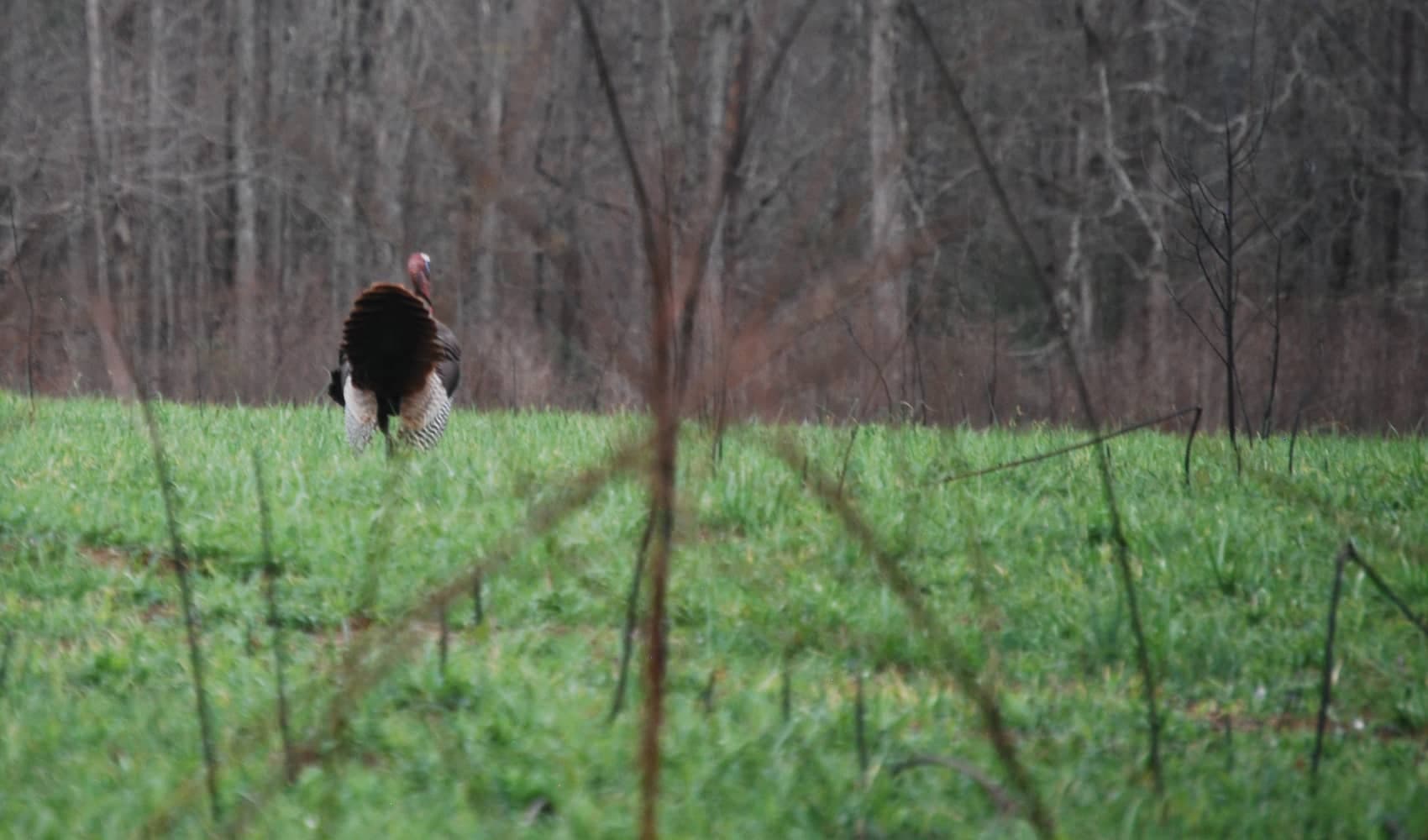
Opening weekend on public land is a special kind of torture. You heard birds gobbling two weeks ago. You set up in what felt like the perfect spot. And by 8 AM, the woods are dead quiet — not because the turkeys left, but because six other hunters pushed them somewhere else before shooting light.
That’s the public land turkey experience for most people. But it doesn’t have to be.
The hunters who consistently kill birds on public land aren’t necessarily better callers. They’re better scouts. They’ve done the work before the spring turkey season, they know where birds stage when pressure hits, and they’re not competing with everyone else for the same obvious spots.
Here’s how to scout turkey on public land the right way.
Why Public Land Turkey Scouting Is Different
Deer hunters crossing over to turkey season for the first time often apply the same logic: find food, find sign, set up nearby. Turkeys don’t quite work that way — especially on public land.
Turkeys are vocal, which makes them easy to find. They’re not. A gobbling tom that sounds 200 yards away might be roosted on property you can’t access. The ridge he’s working might funnel toward a parking lot on opening day. And the moment pressure builds, longbeards go silent in ways that make you question whether they were ever there.
Effective scouting on public land is about three things: finding birds that other hunters haven’t burned, understanding terrain and how turkeys use it under pressure, and keeping track of what you learn so you can use it next season.
Start With the Maps Before You Walk a Single Step
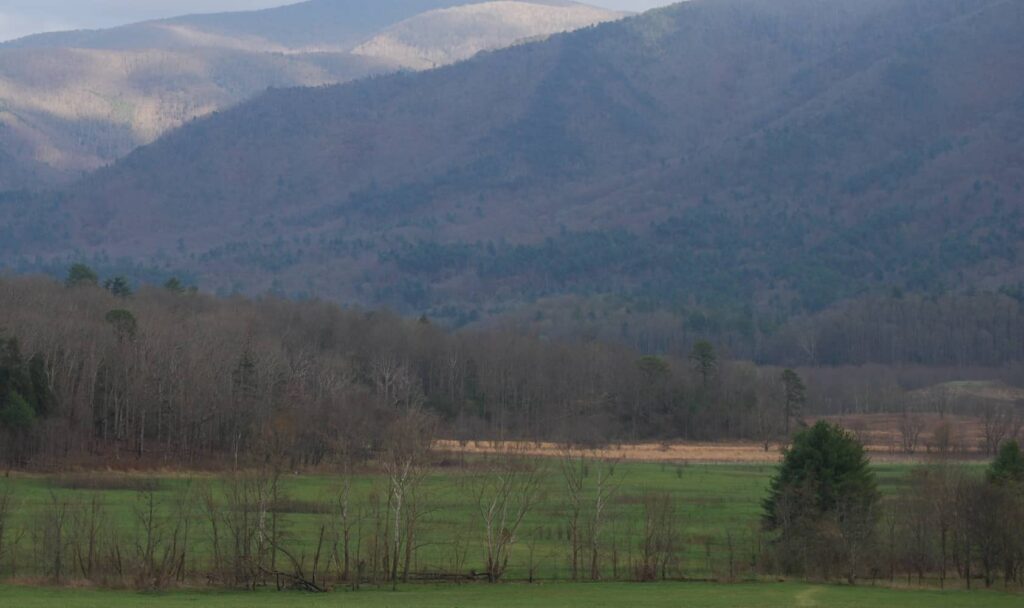
The best scouting starts at home. Before you set foot in the woods, spend an hour or two doing serious map work. Pull up topographic layers and satellite imagery for your public ground.
You’re looking for a few specific things:
Roost timber. Turkeys prefer tall, mature timber with open understory for roosting — hardwoods with big horizontal limbs are prime. On a topo, these areas often sit on mid-slope benches or along creek drainages where the terrain moderates and mature timber tends to stay. Look for south-facing slopes — they warm up faster in spring, which pulls turkeys down from the roost earlier.
Strut zones. Toms strut where hens can see them. Flat terrain, open ridge tops, meadows, old log decks, and fields adjacent to timber — all of these are places to put on your map first. On public land, abandoned agricultural fields inside the woods are gold. They show up clearly on satellite view.
Travel corridors. Turkeys move along terrain features just like deer. A gap in a ridge, a creek bottom heading toward a field, a logging road running east-west — these are all potential travel routes. Map them out before you go. You’ll cover a lot less ground and cover it smarter.
The other thing to map: access points. On pressured public land, how you get in matters almost as much as where you go. The parking lot everyone uses dumps hunters into the same drainage every spring. Find a secondary access — a forest road, a different trailhead, a walk-in from a different direction — and you’ve already separated yourself from 90% of the competition.
On-Foot Scouting: Reading Turkey Sign
Once you’re in the woods, you’re looking for evidence that turkeys are actually using an area — not just flying over it.
Tracks. Fresh turkey tracks in soft soil or mud tell you where birds are moving and when. Hen tracks are about 3.5 inches; tom tracks are closer to 4.5 inches and wider at the toe spread. Track size matters. If you’re only seeing small tracks, you may be in a hen area with no toms running it yet.
Scratching. Turkeys scratch through leaf litter constantly while feeding. Fresh scratching looks like someone raked a patch of leaves — you’ll see bare soil exposed and the debris pushed back. Old scratching is dried out, and the disturbed leaves start to settle back. Fresh scratching means birds were there recently.
Droppings. Tom droppings are J-shaped. Hen droppings are more compact and spiral. If you’re seeing J-shaped droppings around a strut zone or along a ridge, you have a tom working that area. The drier the droppings, the older the sign.
Feathers. Breast feathers with black tips are tom feathers. You’ll often find them where a bird has been strutting, near roost trees, or in areas with high turkey activity. Multiple feathers together usually mean a tom has been hanging out there, not just passing through.
Strut marks. On soft ground or in light dust, toms drag their wingtips while strutting. It leaves a fan-shaped drag pattern on both sides of their tracks. If you find strut marks, you’ve found a strut zone — and that’s exactly where you want to be.
Locating Roost Trees
Finding where turkeys roost is probably the single highest-leverage move in public land turkey scouting. A bird on the roost gobbles his location to you every morning. If you know the roost, you can set up with the odds heavily in your favor.
Walk creek bottoms and bench timber in the late afternoon, a week or two before the season. Listen for birds flying up to roost — you’ll often hear wingbeats before dark, followed by tree limbs cracking as birds land. Get in as close as you comfortably can and mark the location.
Look below roost trees for piles of droppings, feathers, and egg-shaped deposits on the ground. One roost tree will drop weeks’ worth of sign directly below it. Once you find it, you’ll know.
On public land, also pay attention to access. The best roost in the county means nothing if you can’t get within 150 yards before first light without educating every bird in the drainage. If the roost is difficult to access quietly, plan accordingly — set up further back along their anticipated fly-down route rather than right under them.
Logging What You Find (And Why It Matters Next Season)
Here’s where most hunters leave serious money on the table. They scout hard, learn a piece of ground, and then trust their memory to hold all of it until next April.
Memory is not a scouting system.
Start logging all scouting observations in TrophyTracks — dropping markers on roost trees, strut zones, tracks, scratching areas, and places where you heard birds gobbling. The app lets you pin unlimited locations with notes attached, so a marker might say “roost tree — 3 birds flew up 7:05 PM April 14, 2025 — big white oak, east-facing bench, 200 yds from parking lot B.” That’s information you can actually use.
Over time, patterns emerge. You’ll see which areas consistently hold birds year after year, which strut zones get used regardless of pressure, and which spots are just “sometimes turkeys” vs. “turkeys every time.” The TrophyTracks community has logged over 18,000+ journal entries and 4,000+ markers — across all species, all seasons. For turkey specifically, the hunters getting the most out of it are the ones building a year-over-year picture of their public land, not just relying on what they found last week.
Heat maps (available in TrophyTracks Pro) show you where your observations cluster. If you’ve been logging turkey encounters for two or three springs, the heat map tells you something your gut can’t — exactly which areas produce birds under pressure vs. early season.
Understanding How Pressure Changes Bird Behavior
On the opening weekend of most public land turkey seasons, pressure hits hard and fast. Hunters flood in, birds get fired at or called to and spooked, and by day two or three the easy birds are either dead or educated.
Here’s what happens when pressure builds: toms go quiet. They move shorter distances. Gobblers stop responding to calling the way they did two weeks ago. And they push to areas with less foot traffic — which usually means worse access, thicker cover, and more difficult terrain.
Scout pressure before the season. Walk the property on a Saturday in late March, just before opening day. Count trucks in parking lots. Watch where other hunters come in. Find the places they don’t go — the swamp nobody wants to wade, the nasty clear-cut on the far end, the steep north-facing drainage that’s a hard walk. Those areas hold unpressured birds mid-season when the obvious spots are burned out.
Run-and-Gun vs. Setting Up: The Public Land Decision
There’s a lot of debate about run-and-gun turkey hunting on public land versus picking a spot and sitting. The honest answer is that both work, depending on conditions and the ground you’re hunting.
Run-and-gun works best on large public tracts with low to moderate pressure, when birds are actively gobbling and looking for hens. You’re covering ground to cut a gobbling bird, then closing the distance and setting up ahead of him. It rewards mobile hunters who know how to read terrain fast.
Sitting and waiting works best when pressure is high, birds are henned up, or you’ve identified a high-confidence strut zone or travel corridor from your scouting. You’re not chasing — you’re letting birds come to you on their normal routine. Mid-season, after the pressure hits, this is often the better play.
The key is knowing which situation you’re in before you walk out the door. That’s where your scouting log pays off. If your notes from previous years show that a particular area holds birds consistently on days 3-5 of the season (after opening pressure subsides), you’ve got a plan — not a guess.
FAQ: Scouting Turkey on Public Land
When should I start scouting for turkey? Start 3-4 weeks before your season opener. Early scouting lets you locate roost areas and sign without disturbing birds. Do a final check 1-2 weeks out to confirm birds are still in the area.
How do I find turkeys on public land when I can’t hear them gobbling? Focus on sign — scratching, droppings, tracks, and feathers. Work creek bottoms, agricultural field edges, and timber benches. Locate the food sources (soft mast, insects, green fields) and the roost timber, then connect the two with likely travel routes.
How far do turkeys travel from their roost? It varies, but most toms work within a half-mile to a mile of their roost site on a typical morning. On pressured public land, they often move shorter distances and stay in familiar cover. Knowing the roost location usually puts you within striking distance.
Do turkeys use the same spots every year? Yes — more consistently than most hunters realize. Roost trees, strut zones, and strut routes tend to be reused year after year as long as the habitat doesn’t change drastically. This is exactly why keeping a scouting journal over multiple seasons compounds in value.
What’s the best time of day to scout for turkey on public land? Early morning, during the two weeks before the season opens, is best for locating roosts and hearing gobbles. Midday is better for finding scratching and sign without bumping roosted birds. Late afternoon scouting (around fly-up time) can reveal roost locations.
How do I find turkeys on public land after opening weekend pressure pushes them? Move away from main access points and obvious terrain features. Focus on thick cover, nasty terrain other hunters avoid, and field edges far from parking areas. Birds don’t disappear — they just shift to where pressure isn’t.
Should I use a locator call while scouting? Owl hoots and crow calls can shock-gobble birds into revealing their location without educating them to hen calls. Use them during pre-season scouting, especially in the early morning. Avoid using turkey calls until you’re ready to hunt.
Build a System, Not Just a Memory
The hunters who kill public land birds consistently aren’t lucky. They’ve put in the map work, they’ve covered ground on foot, and they’ve built a record of what they found and where. They treat scouting like an investment — because it compounds year over year.
If you’re serious about public land turkey, start logging your observations now. Every roost tree you mark, every strut zone you find, every morning you hear birds gobbling in a specific drainage — log it. You’ll thank yourself two springs from now when you’re looking at a pattern nobody else can see.
TrophyTracks is free to download on iOS and Android. Drop markers, log your scouting observations, and start building a picture of your public ground that sticks around longer than your memory does.


More than 10,000 hunters are already logging hunts, tagging locations, and building the kind of pattern data that makes every season smarter than the last. Turkey season is coming fast. Get your spots marked now.