

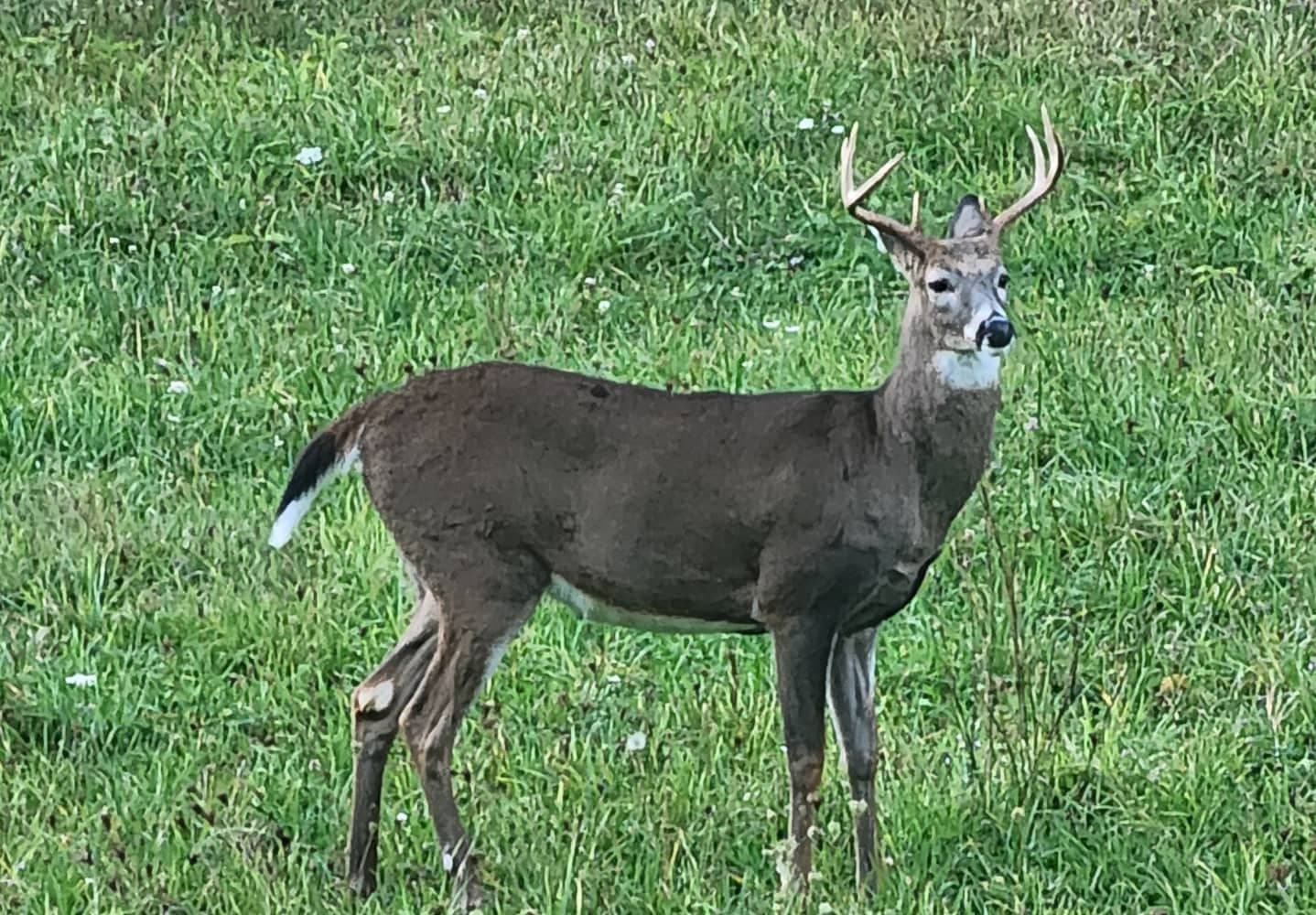
When gun deer season arrives, the woods change almost overnight. Hunting pressure increases, familiar deer travel routes become less predictable, and areas that produced consistent sightings during archery season can suddenly go quiet. Welcome to gun season deer hunting.
For hunters, this creates a challenge. Should you continue hunting the locations that produced activity earlier in the season, or is it time to completely change your approach?
The answer often comes down to understanding how deer respond to people.
During firearms season, hunting pressure can influence deer movement just as much as food availability, weather, and changing seasonal patterns. Deer that encounter repeated disturbances may shift their daytime activity, move into thicker cover, or begin using travel routes that hunters rarely consider.
Instead of focusing exclusively on traditional stand locations, consider these strategies for finding deer when gun season pressure increases.
1. Look for the Areas Other Hunters Avoid
One of the best gun season deer hunting strategies is identifying locations that receive less human activity.
Many hunters naturally gravitate toward familiar stands, food plots, field edges, and established trails. These locations can produce opportunities, but they can also receive significant pressure once firearms season begins.
Explore Difficult Access Areas
Look for thick creek bottoms, brushy draws, steep terrain, and overlooked sections of timber.
These areas may not be attractive because they require more effort to access. However, they can provide the security deer seek when other portions of a property become busy.
Pay attention to fresh tracks, droppings, and trails entering these areas. Evidence of recent activity can help determine whether deer are using them as temporary refuge.
2. Hunt the Movement Created by Pressure
Deer that encounter hunters may change their travel routes without leaving the property.
A buck that previously traveled along a field edge might begin using a nearby ridge or brushy transition. Does may also shift toward thicker cover when their usual feeding areas experience repeated disturbances.
Identify Escape Routes
Rather than concentrating only on where deer feed, consider where they are likely to travel when disturbed.
Look for natural funnels, creek crossings, narrow sections of timber, and terrain features that connect larger areas of cover. These locations can become valuable during gun season because they may concentrate movement between otherwise disconnected sections of a property.
Be especially mindful of wind direction and safe shooting lanes when selecting a firearms hunting location.
3. Do Not Abandon Your Trail Camera Information
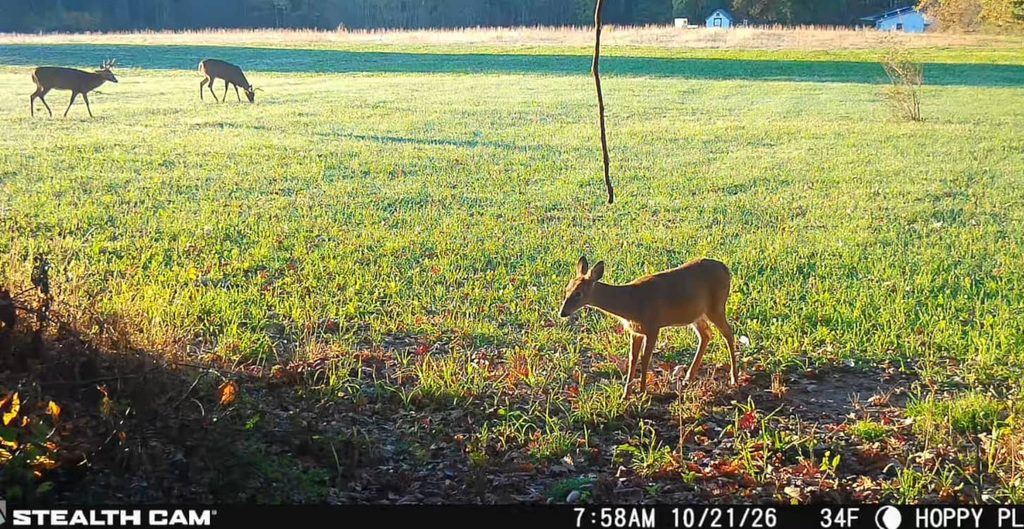
Trail cameras can become especially useful during gun season because they help reveal changes in deer activity.
A location that produced regular daytime photographs during October may suddenly show mostly nighttime activity. Another camera may begin capturing deer that were rarely seen earlier in the season.
These changes can provide clues about how hunting pressure is affecting movement.
Compare Activity Before and After Opening Day
Review photographs from the weeks leading up to firearms season and compare them with more recent observations.
Look for changes in:
- Time of day when deer appear.
- Direction of travel.
- Frequency of deer activity.
- New trails or travel corridors.
- Areas where mature bucks continue appearing.
A single photograph does not establish a pattern. However, multiple observations across different locations can help identify where deer have shifted their activity.
4. Be Careful About Hunting the Same Stand Every Day
Consistency is important, but repeatedly entering the same location can eventually work against you.
Every time a hunter walks through a bedding area, crosses a primary travel route, or disturbs a feeding location, deer have another opportunity to detect human activity.
During gun season, consider rotating locations and limiting unnecessary movement through productive areas.
Protect Your Best Locations for Gun Season Deer Hunting
If you identify a section of property with consistent daytime deer activity, avoid disturbing it unnecessarily.
Use access routes that minimize noise and scent exposure. Consider setting up along the edge of the area rather than walking directly through it.
Sometimes the best decision is leaving a productive location alone until conditions are favorable.
Make Gun Season Deer Hunting Data Driven
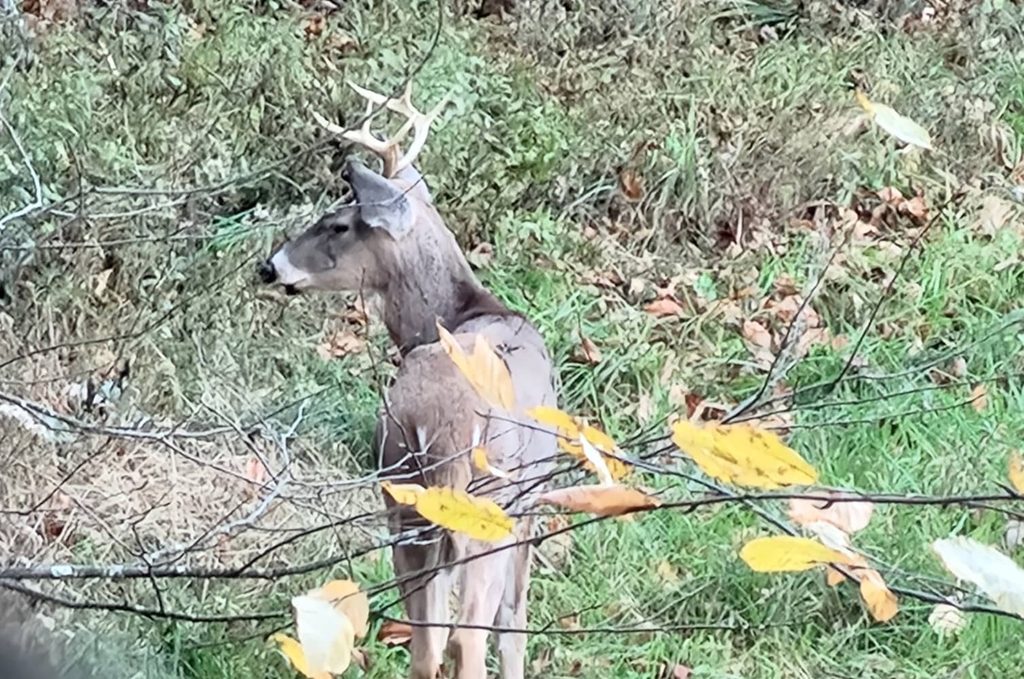
The biggest advantage hunters can have during firearms season is understanding how their property has changed since the beginning of fall. This is where your hunting app data shines.
Previous sightings, trail camera photographs, wind conditions, weather observations, and notes about hunting pressure can all help explain where deer are moving. The data can make or break the short firearms deer season.
This is why maintaining a hunting journal is so valuable.
With TrophyTracks, hunters can organize observations and keep a record of their hunting activity rather than depending entirely on memory. Those records can help identify patterns and make it easier to adjust strategies as hunting pressure increases.
Gun season is not simply about finding where deer were before opening day. It is about figuring out where they are going now. The hunters who recognize those changes and adjust their approach may find opportunities in locations that other hunters have completely overlooked.