

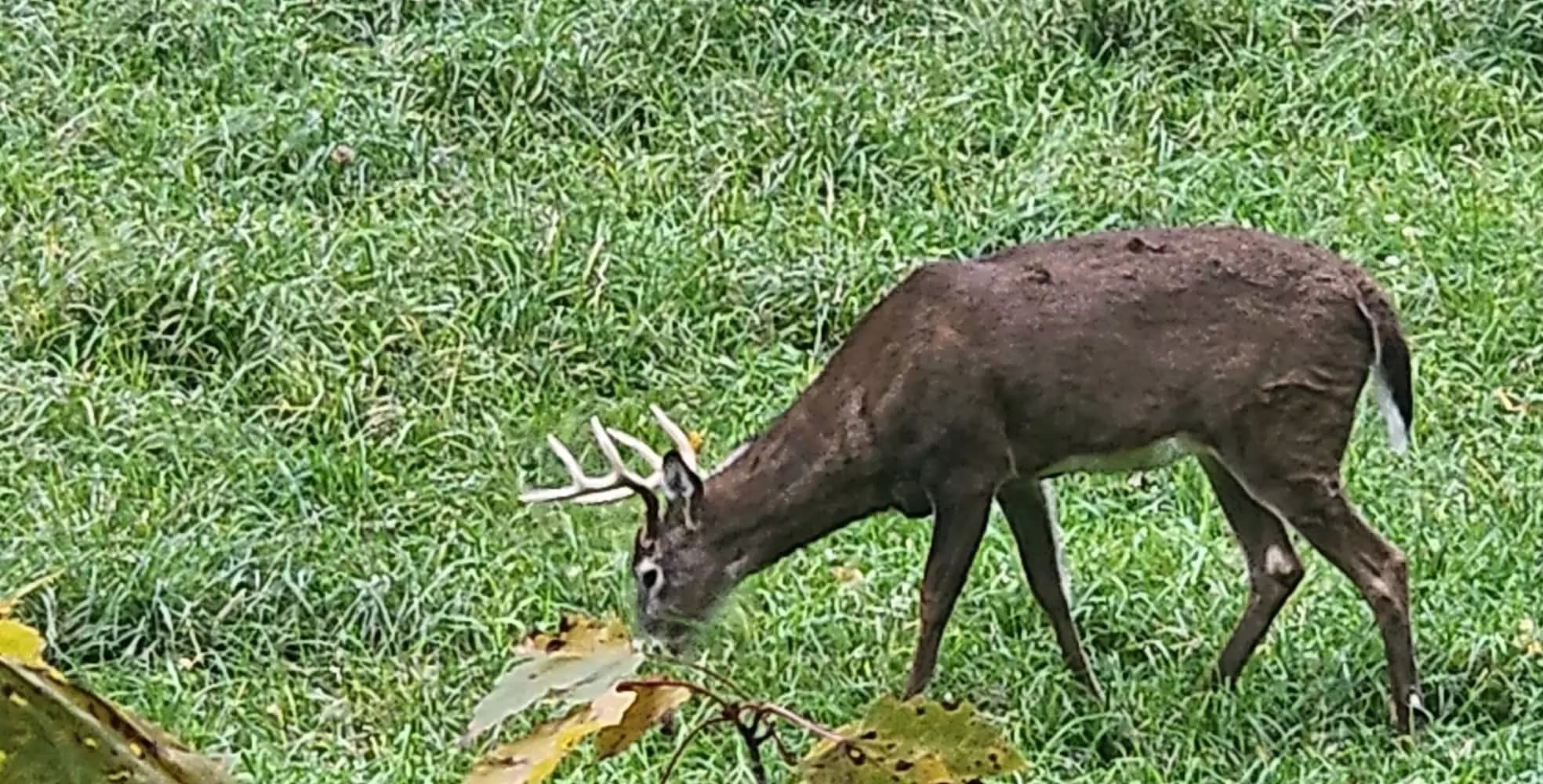
Good whitetail deer hunting tips can help you understand deer behavior, choose stand locations, read sign, and plan your hunts. But general advice is only the starting point. The most useful strategy for your next hunt comes from combining proven principles with what you have observed on your own property.
Stop Guessing: Better Whitetail Deer Hunting Tips Leveraging Data
Deer respond to habitat, hunting pressure, food availability, weather, and seasonal changes. Those factors vary from one property to another—and they can change throughout the season. Recording sightings, wind conditions, trail activity, and hunting outcomes helps you spot patterns that are easy to forget between sits.
Here are five foundational whitetail hunting tips, along with practical ways to use your own hunting journal to make each one more specific to your area.
1. Learn Your Deer’s Patterns Instead of Relying on Averages
Whitetails often show increased activity around dawn and dusk, but movement varies with season, weather, food sources, hunting pressure, and individual deer behavior. A general rule can help you form a plan; it cannot tell you exactly when a buck will appear on your property.
What to do: Record the time, location, conditions, and details whenever you see deer. Note whether the deer was traveling, feeding, or returning to cover. Include the date and time, temperature, wind direction, and any relevant weather changes. In addition, use trail cameras to capture more data across multiple properties and log every critical deer image.
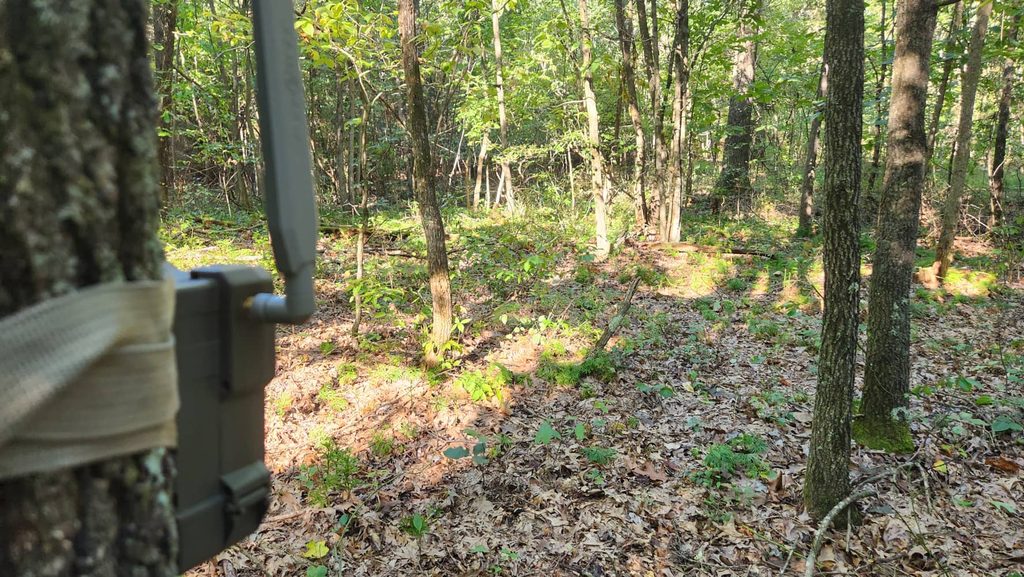
Over time, these observations may reveal recurring patterns. You might notice more activity along a field edge shortly before dark, or repeated morning sightings near a creek crossing after a change in weather. One sighting is a clue, not proof; look for patterns across multiple observations and seasons before changing your strategy.
A digital hunting journal such as TrophyTracks can help keep those records organized. Its TrophyRecall feature is designed to help hunters compare current conditions with similar entries in their past journal, making it easier to revisit what happened during previous hunts.
2. Play the Wind and Pay Attention to Thermals
Wind direction is a core consideration when selecting a stand and planning your route in and out. Whitetails rely heavily on their sense of smell, so a setup that carries your scent toward likely deer travel or bedding areas can reduce your chances of seeing deer before they detect you.
Thermals are air currents caused by temperature differences and terrain. In many situations, cooler air drains downhill and warmer air rises as slopes heat up. Local terrain, vegetation, cloud cover, and changing temperatures can affect these patterns, so do not assume thermals will behave identically on every hunt.
What to do: Record wind direction, wind speed when available, stand location, entry and exit route, and whether you saw deer or noticed signs that deer detected you. Review the records by stand and wind direction rather than relying on memory alone.
For example, your notes may suggest that one stand produces sightings with a northwest wind but is less effective when the wind shifts. Treat that as a working hypothesis and continue tracking results. A hunting journal and weather records can help you compare conditions across hunts and make more informed stand choices.
3. Read Deer Sign and Record Where You Find It
Rubs, scrapes, tracks, beds, trails, and droppings can help you understand how deer use an area. Their value depends on context: the age of the sign, surrounding habitat, nearby food and cover, and whether the location can be approached without alerting deer.
Terrain features such as saddles, creek crossings, field edges, and narrow travel corridors can concentrate movement. But sign alone does not guarantee a productive stand. Consider how deer may approach the area, how your scent will travel, and whether your route will disturb the location.
What to do: Mark notable sign on a map and add a dated note. Include what you found, how fresh it appeared, nearby food or cover, and any follow-up observations. Photos can also help you compare a location over time.
Without a record, it is easy to forget exactly where a scrape line started or whether a trail was active before the rut. With a map and journal, you can revisit past observations and look for seasonal changes across multiple properties and multiple years. That’s not just a journal but it is hunting intelligence.
4. Track Food Sources and Seasonal Changes
Food availability can influence where whitetails spend time, but the most attractive food source can change with the season and local conditions. Depending on the area, deer may use agricultural fields, food plots, acorns, browse, or other available forage.
Do not assume deer will keep using the same field or oak flat all season. Crop harvest, changing mast availability, weather, habitat, and hunting pressure can all affect feeding patterns. Observing what happens on your property is more useful than relying on a fixed calendar alone.
What to do: Log where deer are feeding, when you observe them, and what food sources are available at the time. Note changes such as a harvested field, fresh acorn drop, or a shift in sightings from an open field to nearby cover. If you manage food plots, record planting dates, crop conditions, and observed deer activity.
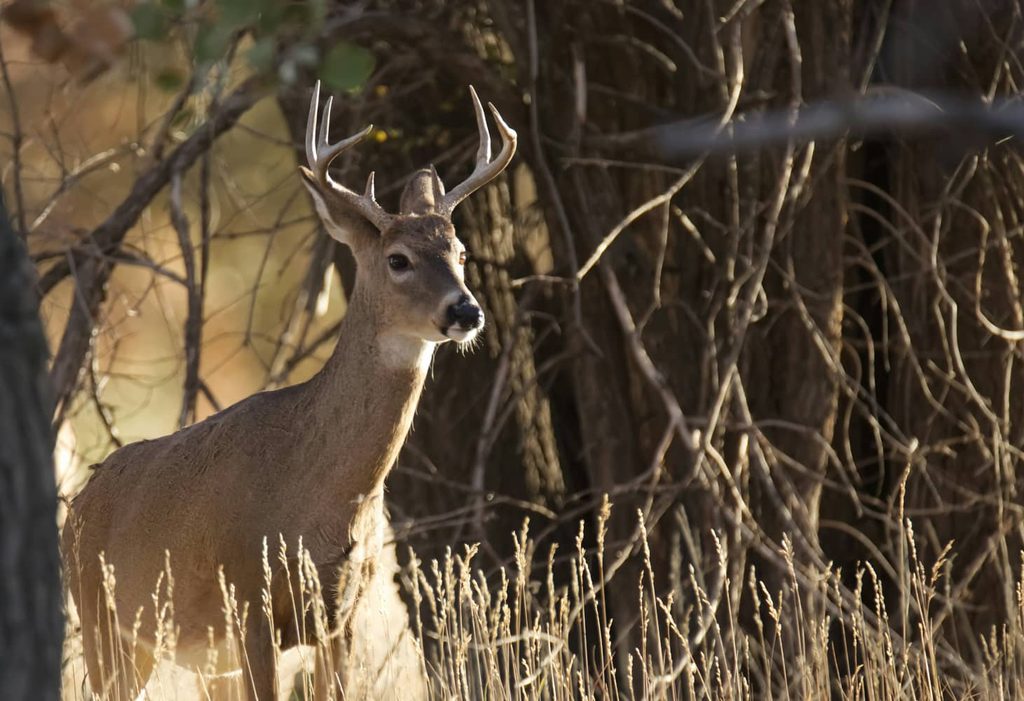
After enough observations, your journal may help you recognize when deer begin using a different food source or travel route. Combine those notes with current scouting and weather information; historical patterns can guide your plan, but they cannot guarantee future movement.
TrophyTracks’ hunting journal and weather-related tools can help you keep these observations together. The app’s TrophyPredict’s outlook features can combine all those data points into a reliable prediction and hunting strategy.
5. Record Hunting Pressure and Learn From Bumped Deer
One of the most underestimated whitetail deer hunting tips is not considering hunting pressure. Hunting pressure can change how deer use an area. Repeated disturbance, noisy access, or an approach that carries your scent toward deer may make a location less productive. The effect depends on the property, the individual deer, and what other cover and food sources are available nearby.
It is also easy to misremember the details of a hunt that went wrong. You may recall bumping a deer but forget the wind direction, time, route, or conditions that contributed to it.
What to do: Record spooked deer, noisy entries, unexpected encounters, and other signs that your presence may have affected the hunt. Note your access route, wind, time, and stand location. Review those entries before returning to the same area.
For example, repeated observations might suggest that an evening approach crosses a trail deer use to leave cover. You could test a different route or choose another stand when conditions are similar. Keep recording the results so you can evaluate whether the change helped.
The goal is not to draw a firm conclusion from one bad sit. It is to identify recurring problems, adjust your approach, and learn from the outcome.
Why Your Own Hunting Data Makes These Whitetail Deer Hunting Tips More Useful
Understanding deer behavior, playing the wind, reading sign, tracking food sources, and limiting disturbance are all useful parts of a whitetail hunting strategy. A journal helps connect those principles to what actually happens where you hunt.
Instead of relying on memory, you can review observations across dates, locations, and conditions. Over time, your records may help answer practical questions:
- Which locations have produced deer sightings in similar conditions?
- What wind directions have worked best for a particular stand?
- When did deer activity shift from one food source to another?
- Where have you repeatedly found fresh sign?
- Which access routes or hunting conditions have led to disturbed deer?
Personal records are not a guarantee of success, and past movement does not prove a deer will behave the same way next time. They do, however, give you a more useful starting point for planning, scouting, and evaluating your decisions.
TrophyTracks is designed to help hunters organize that information. Its journal, map markers, weather logging, and available forecast and recall tools can help connect observations with the conditions surrounding each hunt. As you build a consistent record, you have more context to consider when choosing where and when to hunt.
Start Building Your Hunting Journal This Season
You do not need years of records to get started. Begin by documenting each hunt consistently: where you hunted, when you were there, the wind and weather, what deer sign you found, and what happened. Add observations between hunts, too, especially when you discover a new trail, scrape, or feeding area.
TrophyTracks offers hunting-journal and mapping tools to help you organize your observations. It is a tool that combines all the best whitetail deer hunting tips with your data to unlock improved hunting intelligence. Start recording your hunts with TrophyTracks today. Sign up for the free deer hunting app and elevate your deer hunting season before its to late.