

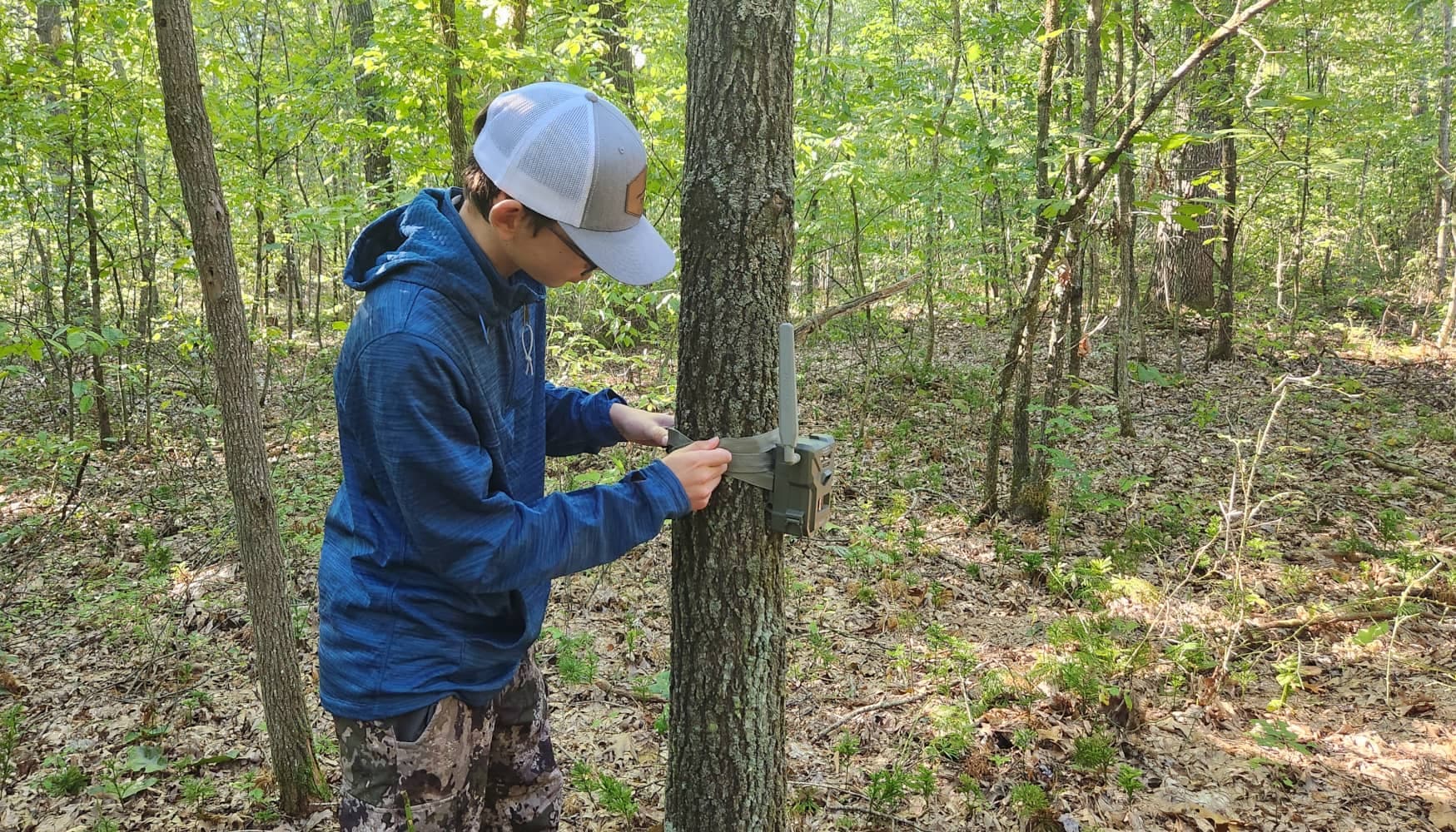
Trail cameras win deer hunting seasons. The data they provide gives you not only an opening day archery strategy but a season-long deer hunting strategy. Many hunters lose that edge the moment the season actually starts. Checking cameras too often, hanging them in the wrong spot, or ignoring the data you’re already collecting can turn a great intel tool into the reason deer disappear from your property. Here are six simple in-season trail camera tips to keep your trail camera strategy working for you all season long.
1. Cut Your Check Frequency in Half
The biggest in-season trail camera mistake is treating cameras like they were still summer scouting tools. Every trip in to pull cards adds human scent and noise to the woods deer are actively using. Once season opens, stretch your check schedule out. Checking your cameras every 10 to 14 days is plenty for most trail cameras, and cellular cameras let you go even longer between physical visits.
2. Move Cameras Off the Food Source
Cameras hung directly over a feeder or food plot get you great daylight photos in September, but by October that same spot may be getting hunted or avoided by pressured deer. One of the most important in-season trail camera tips is to shift your trail camera placement. Shift cameras to funnels, pinch points, and trail intersections between bedding and feeding areas. You’ll get fewer photos, but the ones you get tell you far more about actual daily movement.
3. Go Cellular for High-Pressure Ground
If you’re hunting public land or a lease with other hunters walking in and out, a cellular trail camera is worth the subscription cost during the season. It removes the need to physically check the camera at all, which means zero added pressure on the exact trail you’re trying to hunt. However, cellular trail cameras have limitations. They have recurring costs for subscriptions, and service availability can limit their placement.
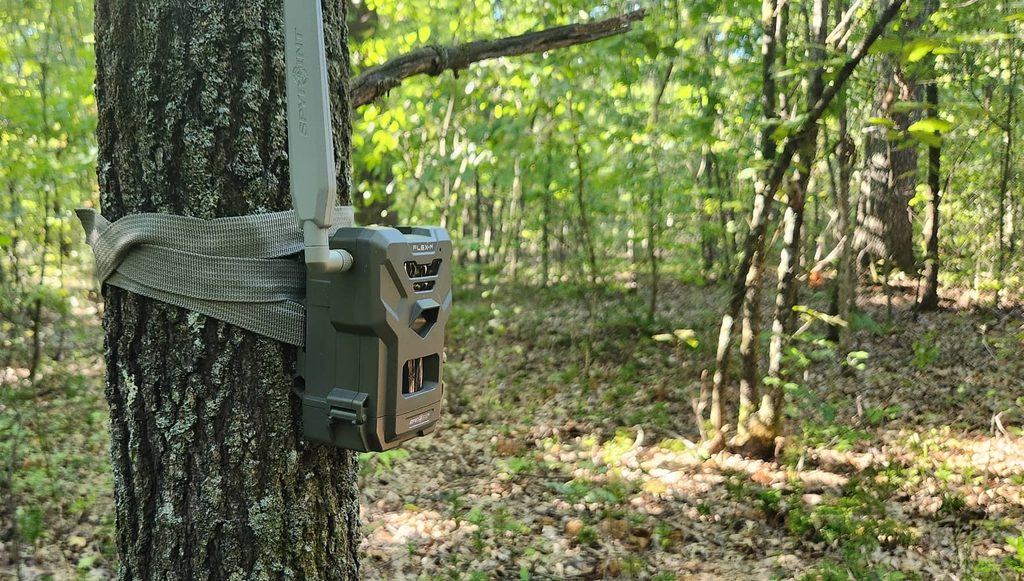
4. Track Time-of-Day Patterns, Not Just Buck Sightings
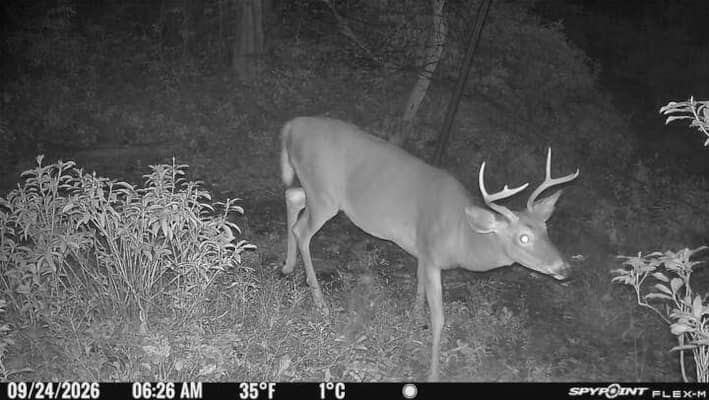
A lot of hunters glance at a photo, see a good buck, and move on. The real value is in the timestamp. Log when each deer shows up, and patterns start to emerge fast: which trail is a morning route, which one only lights up in the last hour of daylight, and which deer have gone completely nocturnal since pressure started. It is the hidden deer movements that TrophyTracks unlocks that build patterns and results.
5. Watch for the Pressure Shift
Deer movement changes the moment hunting pressure starts, sometimes within days. A trail that was hot in week one can go quiet in week two, not because the deer left, but because they adjusted their timing or route slightly to avoid you. Checking your cameras on a schedule lets you catch that shift early instead of hunting a pattern that’s already gone stale.
6. Turn Photos Into a Plan, Not Just a Highlight Reel
Trail camera photos are only useful if they change what you actually do in the stand. Every photo should answer a question: is this deer still using this trail, is the timing still consistent, and does the wind on my next available sit actually match what worked in these photos? In addition, year-after-year logs in TrophyTracks combined with trail camera data can provide an ideal rut predictor. If a photo doesn’t move you closer to a decision, it’s just a highlight reel.
Let TrophyTracks Do the Pattern Work for You
Sorting through hundreds of in-season trail camera photos and matching them against wind, weather, and your observations is impossible. Most hunters are drowning in trail camera photos and mountains of data behind them. TrophyTracks solves this problem. The hunting app lets you log trail camera activity alongside your hunts, then uses that combined history to flag which trails and stands are actually still producing. Your trail camera data keeps working for you all season instead of piling up unread on a memory card.
In-season Trail Camera Tips | FAQ
How often should I check trail cameras during hunting season? Every 10 to 14 days is a good baseline for most properties — less if you’re hunting pressured or public ground.
Should I move my trail cameras once season starts? Yes. Shift from food-source cameras to funnels and travel corridors once deer patterns start responding to hunting pressure.
Are cellular trail cameras worth it during the season? On heavily hunted ground, yes — the reduced foot traffic alone can keep a good trail from getting blown up.
Keep your camera strategy moving with the season instead of freezing it in September, and you’ll keep seeing deer long after everyone other hunter’s trail cameras go quiet. These in-season trail camera tips will put more value on each image and lead to results that will prove themselves.