

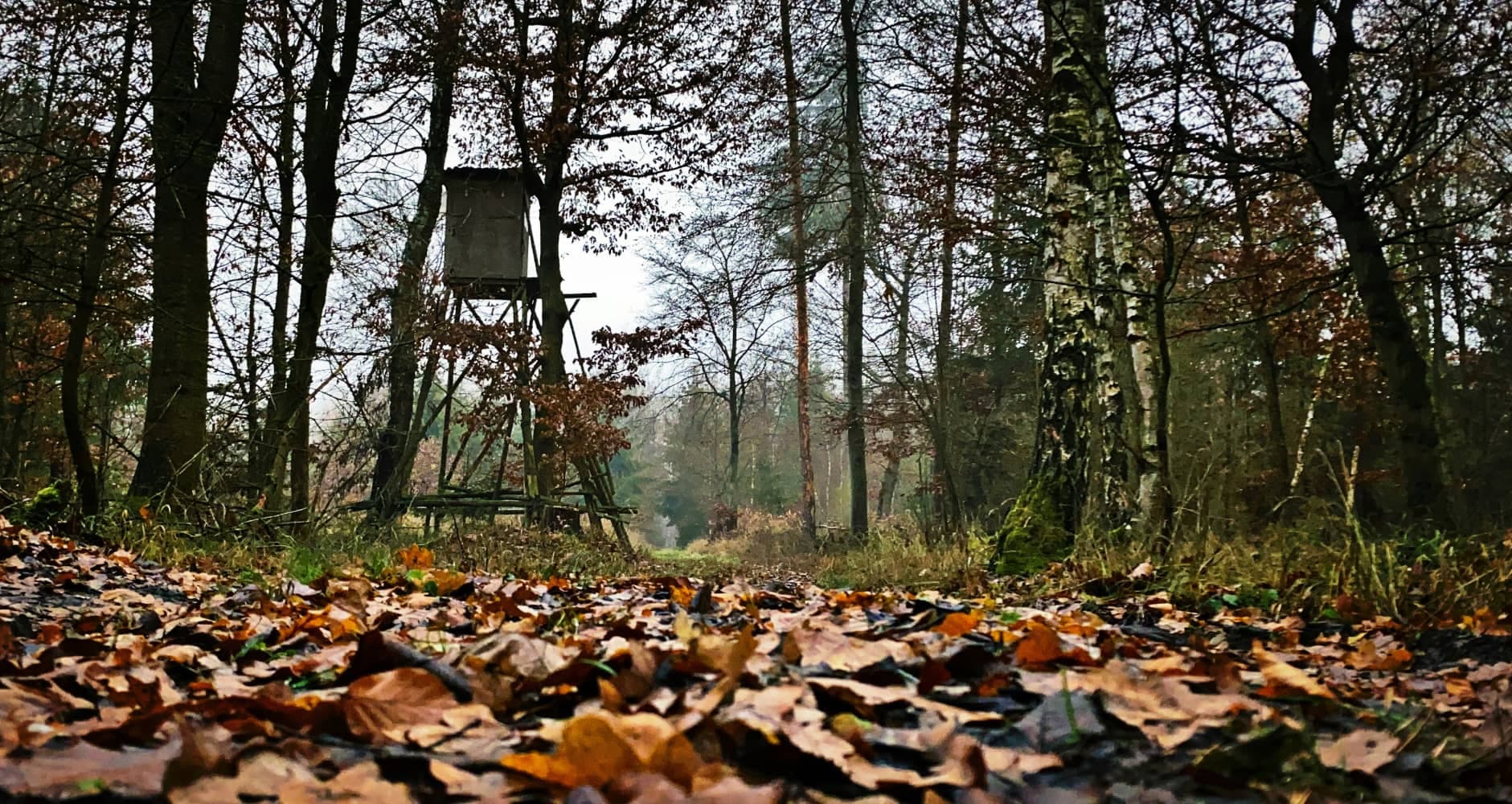
Every bowhunter has the same instinct on opening morning: climb into the best stand on the property and let it ride. It feels right. Weeks of trail camera intel point to one specific tree, the wind is close enough, and the excitement of a new season makes patience feel optional. But that is not the best opening day archery strategy.
That instinct is usually the wrong call. It’s the single biggest reason mature bucks go nocturnal three days into archery season.
The Opening Day Trap Almost Every Bowhunter Falls Into
Early season deer are creatures of habit, not panic. A mature buck on a predictable bed-to-feed pattern in September will tolerate a lot. He will tolerate it until the exact stand he’s patterned around gets hunted on a mediocre wind, at the wrong entry time, by a hunter who couldn’t wait one more week. One blown sit on your best tree can shut that buck down for the rest of the season.
The fix isn’t hunting less aggressively. It’s hunting in the right order.
The Inversion Strategy: Treat Opening Day Like an Elimination Round
Instead of burning your A-stand first, build a short rotation of two or three “B-tier” locations, spots with solid access, imperfect wind, or slightly less certain intel, and hunt those first. Use opening week to gather real-time information: are deer using field edges earlier or later than your trail cameras suggested? Has the acorn drop shifted activity off the food plot? Is your entry route actually as clean as you thought at 5:45 a.m.?
Your money stand stays untouched until conditions line up almost perfectly with data points like ideal wind, a temperature drop, and confirmed current activity. That might mean hunting it on day three instead of day one. It might mean waiting two weeks. Either way, you’re spending your best card when the odds are highest, not just when your patience runs out.
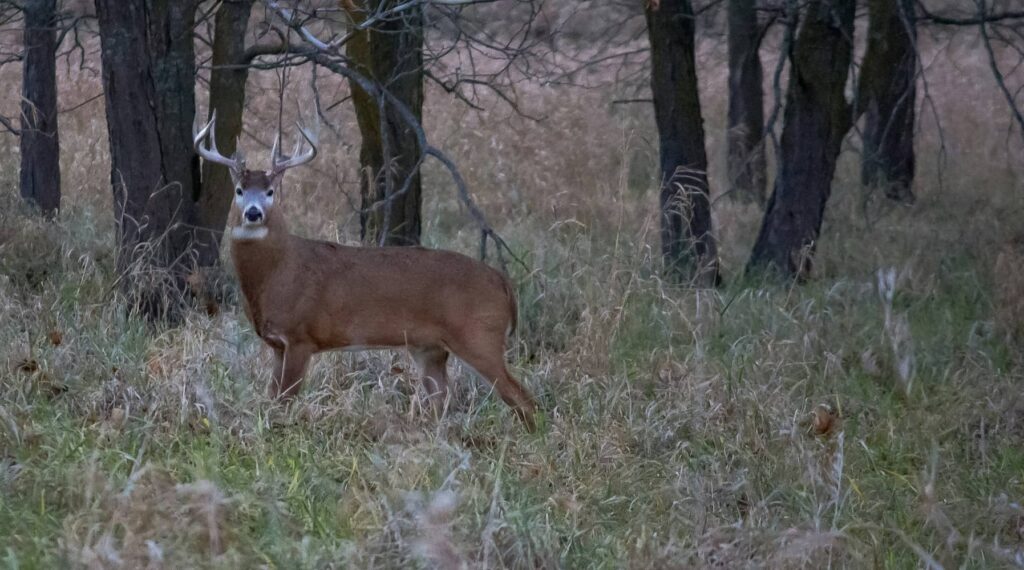
Early Season Heat: The Archery-Specific Playbook
Archery season opens in real heat across most of the country, and heat changes everything about how you should hunt, not just what you wear.
- Hunt evenings first, mornings second in warm stretches. Deer bed down through the heat of the day and move as temperatures drop in the last two hours of daylight, making evening sits far more productive early on.
- Dress for the hike, not the stand. Sweat is scent. Wear light, breathable layers on the walk in and add anything warm only once you’re settled and still.
- Time your entry around thermals, not the clock. In hilly terrain, morning thermals rise and evening thermals fall. Get this backwards, and your scent announces you before you’re even in the tree.
- Shorten your sits during peak heat rather than forcing an all-day vigil that wears down your discipline and your scent control both.
Shot Discipline That’s Unique to Early Season Bowhunting
Early season shots often come at closer range over food sources, with deer in a relaxed, unhurried pattern. Great right? However, it means more time to settle in, but also more time to get busted on the draw. A few things that matter more in September than in November:
- Practice your low-light shot. Most early season opportunities happen in the last legal light of the evening. Pattern your bow in dim conditions, not just bright afternoon sun.
- Account for bug netting and layers on your release. A facemask or head net that shifted your anchor point in July practice sessions will cost you accuracy in October.
- Plan your shot lane before the sweat sets in. Early season stands often get brushed in fast by late-summer growth. Clear lanes during scouting, not from the stand.
Logging Your Opening Day Archery Strategy the Right Way
The hunters who consistently improve season over season aren’t the ones with the best gear. They are the ones who actually remember what happened. Wind direction, entry time, temperature, moon illumination, and what deer showed up (or didn’t) are the exact data points that tell you whether to hunt that B-stand again or finally commit to your A-stand.
This is where a hunting journal app earns its keep. TrophyTracks logs every sit alongside real-time weather, wind, and moon data, then uses that history to flag which of your stands are actually performing under current conditions. You no longer have to rely on memory or gut feel three weeks into the season. Hunters using TrophyTracks through opening week often find their “best” stand on paper isn’t the one producing sightings once real conditions are factored in, which is exactly the kind of insight the inversion strategy depends on. This makes your opening day archery strategy levels above previous years.
Opening Day Archery Strategy FAQ
When should I hunt my best treestand? Save it for a sit when wind, temperature, and recent activity all align, and not simply the first morning of the season.
Is it better to hunt mornings or evenings on opening day? In most regions, evenings outperform mornings early in archery season because deer are still on a predictable bed-to-food pattern driven by heat. Don’t guess. Use TrophyTracks to find the optimal times to hunt each stand. Download and use the hunting app today.
How hot is too hot for archery hunting? Once daytime temperatures push past the mid-70s, expect deer movement to compress into the final hour of daylight — plan your sit times accordingly rather than sitting all day.
Opening day isn’t one hunt. It’s the start of a decision tree. Play the long game, hunt the right stand at the right time, and let your data (not your excitement) tell you when to pull the trigger on your best spot. That is what makes an opening day archery strategy a season-long advantage.