

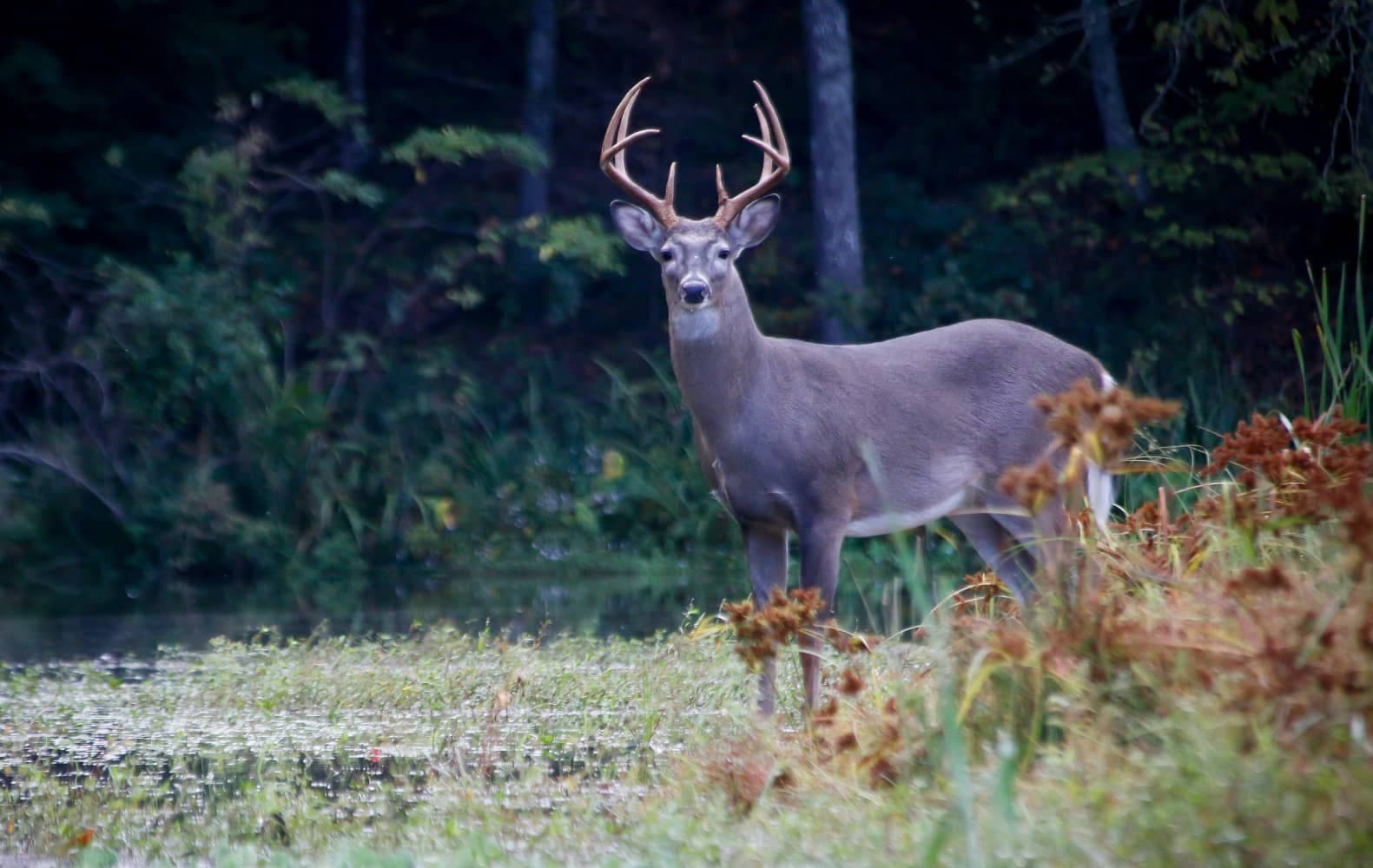
A Data-Driven Guide to Finding Your Target Buck
Every deer hunter wants to know the same thing before opening day: where is my target buck going to be? While mature bucks are known for being unpredictable, they are not random. Learning how to pattern a mature buck before opening day comes down to understanding behavior, analyzing information, and making smart scouting decisions before the season begins.
The biggest mistake hunters make is relying on a single trail camera photo or one scouting trip. Mature bucks develop routines based on food sources, bedding areas, security cover, wind direction, and hunting pressure. The more information you collect, the easier it becomes to identify repeatable patterns.
Start With Trail Camera Data
Trail cameras are one of the most valuable tools for patterning mature bucks before the season starts. However, many hunters collect photos without actually analyzing the information.
A trail camera picture is more than proof that a buck exists. It can reveal:
- When a buck enters a food source
- Which direction he travels
- How frequently he visits an area
- How his behavior changes throughout the summer
- Does his daylight movement change as fall approaches
Organizing your trail camera photos and tracking important observations can help turn random pictures into actionable hunting strategies. Using a hunting journal and photo management system like the TrophyTracks hunting journal and hunting app allows hunters to track patterns over time instead of relying on memory.
Find a Mature Buck’s Core Areas
A mature buck’s core area is the place where he feels safest. This is typically where he spends most of his time during daylight hours.
Common core area locations include:
- Thick bedding cover
- Remote sections of properties
- Brushy creek bottoms
- Mountain benches
- Areas with limited human disturbance
Finding where a buck feeds is usually easier than finding where he feels secure. The goal before opening day should be identifying the connection between bedding and feeding areas.
Pay Attention to Summer-to-Fall Changes
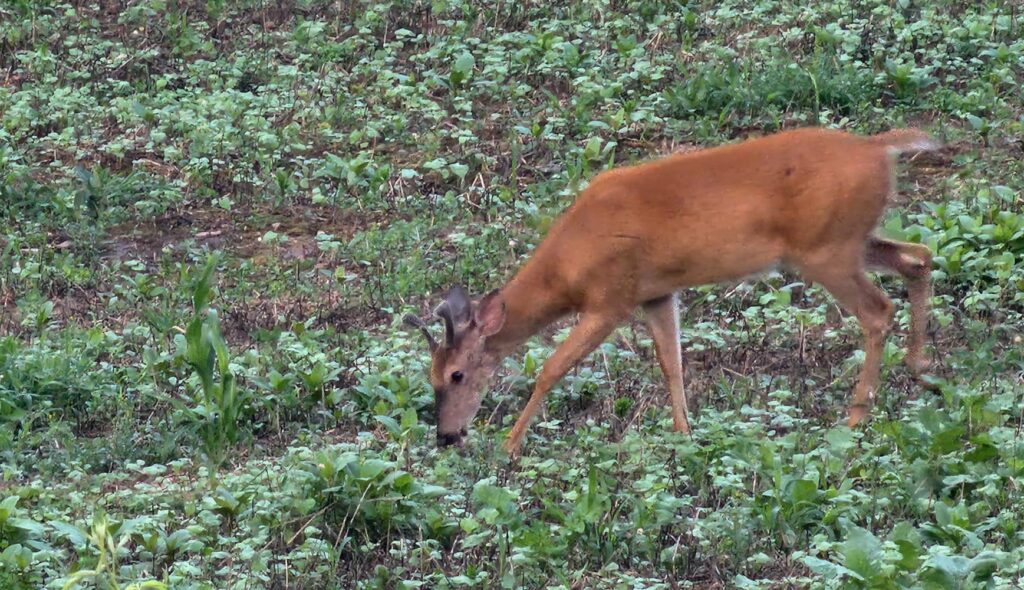
Many hunters struggle because they pattern a buck in August but fail to adjust when September arrives. As velvet sheds and hunting pressure increases, deer behavior changes.
Bucks often:
- Reduce daytime movement
- Shift bedding locations
- Change food sources
- Become more cautious around cameras
This is why consistent tracking matters. A buck’s summer pattern is only the starting point. Understanding how and why that pattern changes is what leads to success.
Use Weather and Conditions to Improve Your Odds at a Mature Buck
Weather plays a major role in deer movement. Temperature drops, wind changes, and approaching weather systems can influence when mature bucks are willing to move.
Instead of asking, “When should I hunt?”, better questions are:
- What conditions have historically triggered movement?
- What wind direction allows access without being detected?
- When has this mature buck moved during similar conditions?
The best hunters combine historical information with current conditions to make better decisions.
Build a Pattern, Not a Guess to Tag a Mature Buck
The key to hunting mature bucks is reducing uncertainty. Every trail camera photo, scouting observation, and hunt journal entry creates another piece of the puzzle.
Patterning a mature buck before opening day is not about perfectly predicting the future. It is about collecting enough information so that your decisions become calculated rather than random.
The hunters who consistently tag mature bucks are usually not the ones who hunt the most. They are the ones who understand their information the best.