

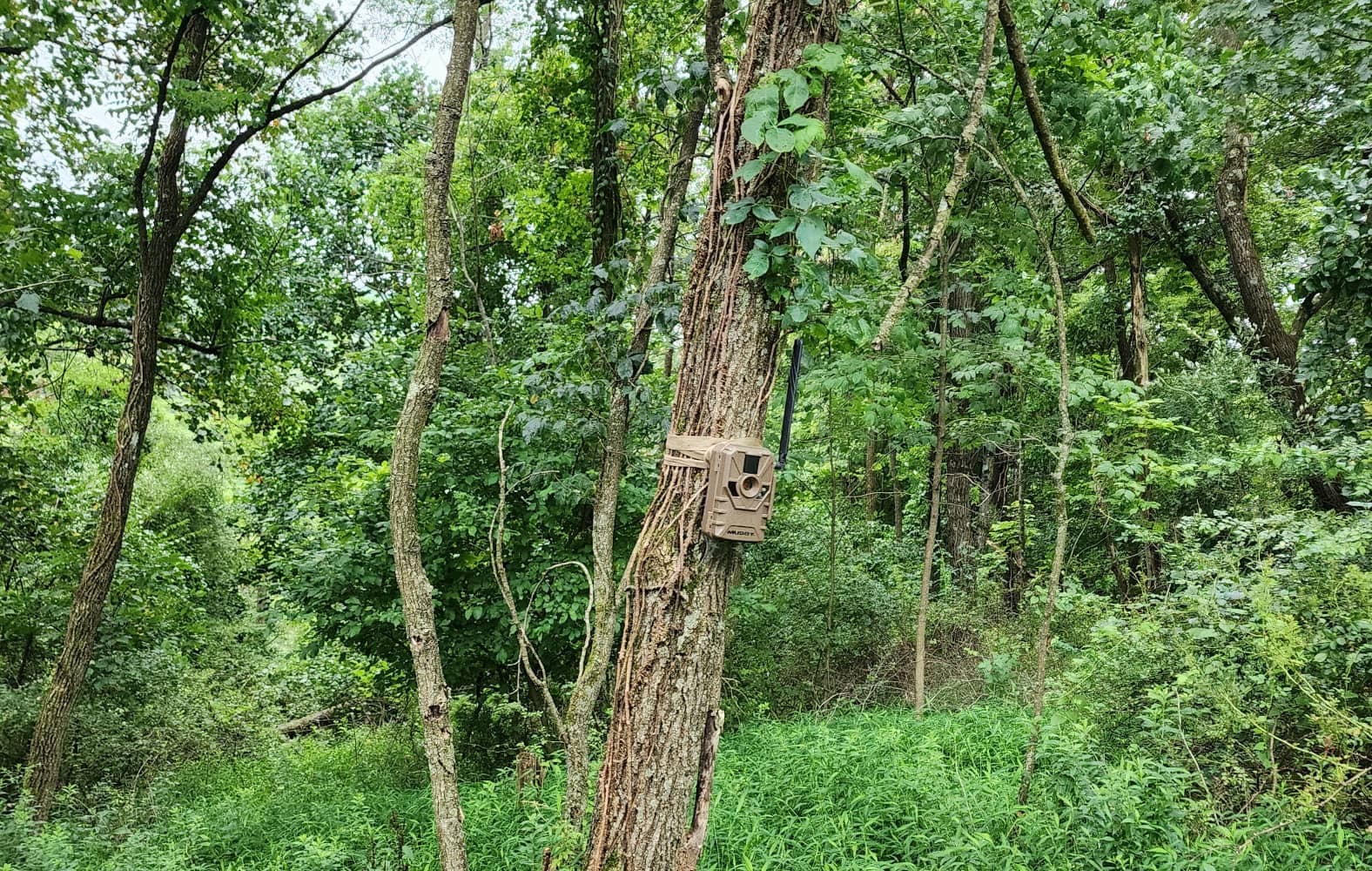
Trail cameras for deer hunting are one of the most powerful tools but only when the data they collect is used correctly. Too often, offseason trail camera photos live on SD cards instead of driving better decisions.
PRO Tip: Use the TrophyTracks PRO 7-day forecast to see exactly how upcoming weather will impact game movement on your specific property.
Spring offers hunters a rare opportunity to gather clean, low-pressure data and turn it into a long-term strategy. When combined with disciplined logging and modern technology, offseason trail cameras become more than scouting tools—they become decision engines.
Stop Chasing Photos—Start Tracking Movement
A common spring mistake is prioritizing antler growth over behavior. Velvet pictures look great, but they don’t explain why a deer moves where it does.
Instead of focusing on size, focus on:
- Time of movement
- Direction of travel
- Frequency of daylight appearances
- Relationship to terrain and cover
Over time, patterns emerge—and patterns are far more valuable than photos. This data, when recorded in the TrophyTracks hunting app, provides movement insights vital for deer hunting success.
Trail Cameras for Deer Hunting: Common Offseason Mistakes
Avoid these spring scouting pitfalls when using trail cameras for deer hunting.
- Checking cameras too frequently
- Placing cameras only on food sources
- Failing to track does and overall herd behavior
- Ignoring terrain-driven movement
- Not organizing or reviewing data consistently
Using Trail Cameras to Understand Pressure Response
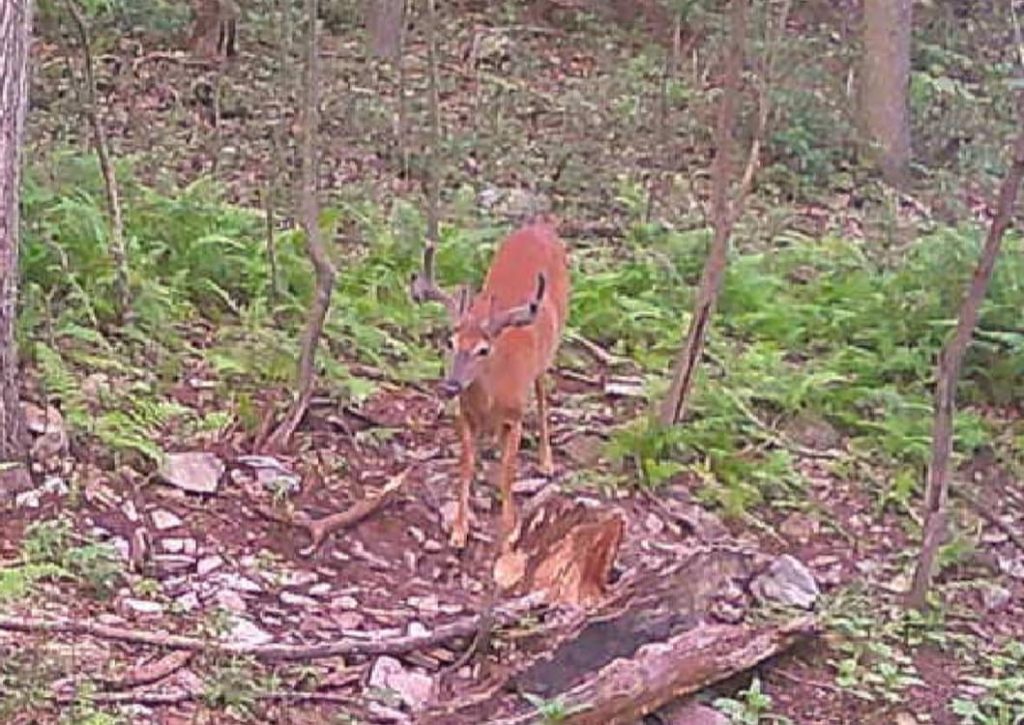
Trail cameras don’t just monitor deer. They monitor your impact. Spring is the ideal time to learn how deer respond to intrusion because behavior changes are easier to isolate. Hunters should track movement changes after camera checks, increased nocturnal activity following disturbance, and route abandonment or rerouting.
Understanding pressure response in spring prevents costly mistakes during the season. Knowing how deer adapt to pressure lets you adapt during the season when deer start to change their patterns.
Why Logging Data Matters More Than Ever
Photos without context are just images. Photos with data become intelligence. This is why trail cameras for deer hunting can take your success rate to a new level.
Serious hunters log:
- Date and time
- Location and camera position
- Weather specifics
- Unique observations
TrophyTracks provides a digital hunt journal that turns scattered photos into a searchable dataset. Over multiple seasons, this data reveals repeat movement windows, terrain preferences, and seasonal shifts in deer patterns. This is where technology like TrophyTracks changes the game.
AI and Trail Camera Analysis: The Next Evolution
AI-powered hunting tools can analyze thousands of trail camera photos faster and more accurately than manual review.
Key advantages include:
- Automatic buck identification year over year
- Detection of movement trends hunters often miss
- Pattern recognition across seasons
- Smarter stand and timing recommendations
Spring trail camera data is especially valuable for AI analysis because it’s collected with minimal hunting pressure, resulting in more accurate behavioral insights. Offseason success is built on patience and discipline, and fall hunting success is built on the data you collect now.
Turning Offseason Data into In-Season Confidence
Hunters who invest in spring trail camera strategy don’t guess in the fall—they execute. They know where deer prefer to travel, how they respond to pressure, and which areas are worth hunting when conditions align.
That confidence doesn’t come from luck. It comes from data collected months earlier.
Offseason trail cameras for deer hunting are not about entertainment. They are about preparation. When paired with structured logging and AI-driven analysis, spring scouting becomes one of the most powerful advantages a deer hunter can have.
The season may start in the fall, but success is built in the spring.