

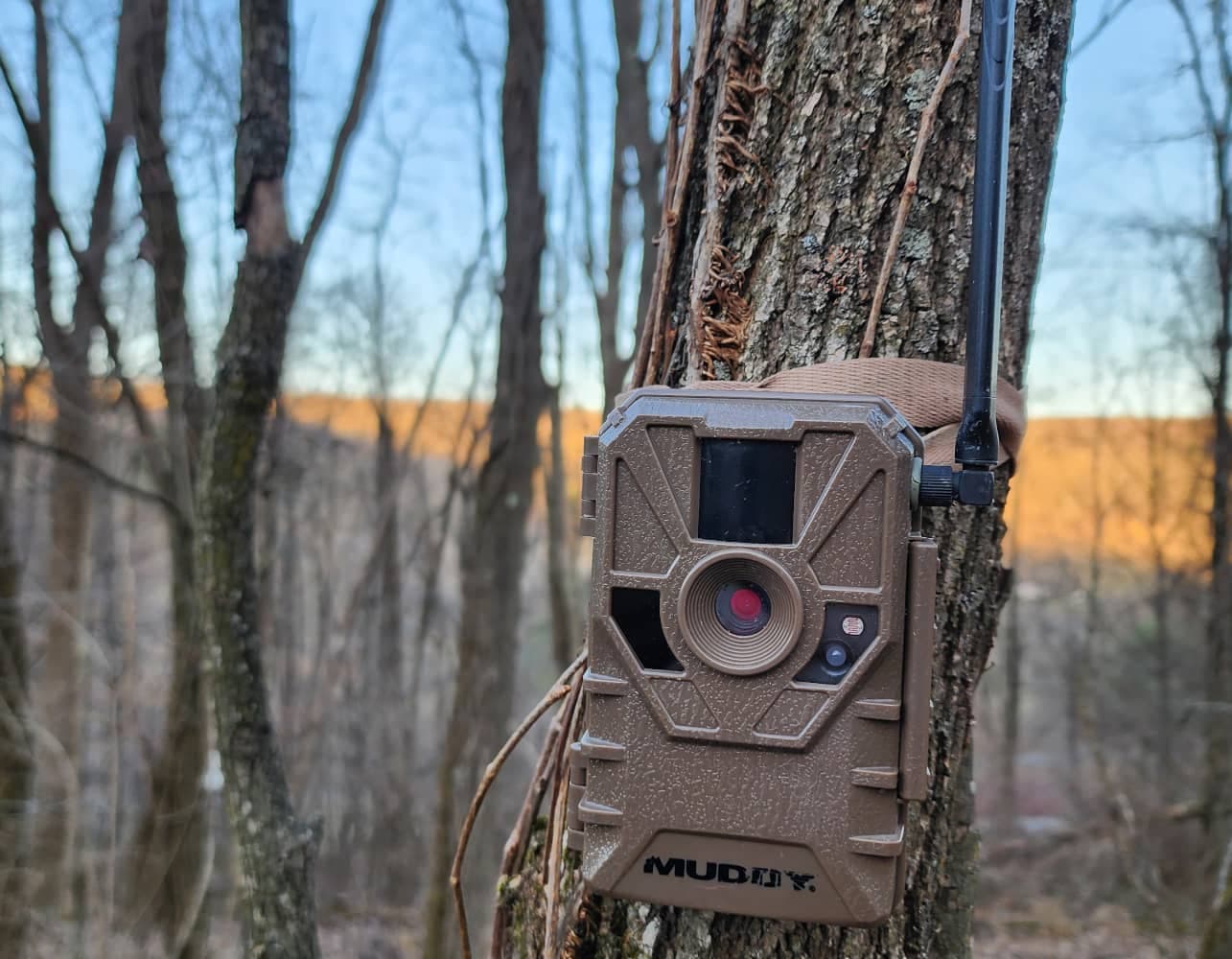
Spring marks the end of trail camera season. Batteries are dead, cameras come down, cards get pulled, and scouting gets postponed until late summer. That approach leaves valuable intelligence on the table—enter spring trail camera strategies.
PRO Tip: Use the TrophyTracks PRO 7-day forecast to see exactly how upcoming weather will impact game movement on your specific property.
Spring is not downtime. It’s decision-making season. When used correctly, trail cameras in the spring provide insight into deer survival, movement structure, and pressure response that can’t be replicated during hunting season. The goal isn’t velvet photos or antler measurements. It’s building a data-backed plan that holds up when pressure increases in the fall.
Why Spring Trail Camera Data Is So Valuable
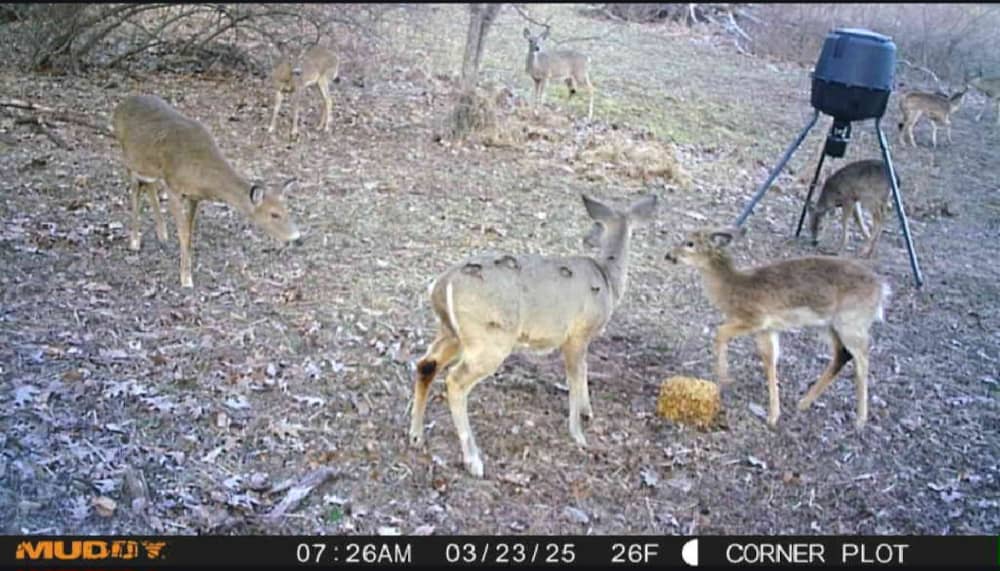
Spring deer movement reflects behavior without hunting pressure. Bucks aren’t avoiding stands, dodging access routes, or reacting to human intrusion the way they do in October. This makes spring one of the cleanest windows to collect baseline movement data.
Spring Trail Cameras Help Hunters
- Confirm which bucks survived the season
- Identify core travel corridors tied to terrain
- Understand bedding-to-feeding movement structure
- Detect how deer naturally use a property
This information becomes the foundation for your fall deer hunting strategy.
Rethinking Camera Placement: Information Over Attraction
One of the biggest offseason mistakes is placing cameras where deer might be killable later rather than where deer consistently move. Spring trail camera strategies have to focus on information gathering rather than kill sites.
High-value Spring Trail Camera Locations
- Terrain funnels such as saddles, benches, and ditch crossings
- Primary trails connecting bedding cover to feeding areas
- Edges where thick security cover meets open timber
- Interior trails that deer use when undisturbed
These locations reveal repeatable movement patterns that often persist year after year. Also, they act as starting points for your preseason trail camera strategy in preparation for archery season.
Spring Timing: Breaking the Season into Scouting Phases
Spring scouting isn’t one window—it’s several. Each window has to be part of your trail camera strategy. The blocks of time provide additional layers of insight. Each insight builds a collection of information easily surfaced and utilized with a hunting app like TrophyTracks.
Late Winter / Early Spring (February-March)
This phase shows which bucks made it through the season and where deer concentrate during post-season recovery. South-facing slopes and thermal cover are prime.
Early Green-Up (April)
Movement stabilizes as new food sources emerge. This is an ideal time to monitor trail intersections and terrain-driven routes.
Late Spring (May-June)
Bachelor groups form and home ranges expand slightly. Cameras placed on transition corridors and water crossings help define range boundaries.
Fewer Cameras, Less Pressure, Better Data
Spring is not the time to blanket a property with cameras. Over-monitoring introduces pressure that skews results. That pressure can also impact your fall plan, even though hunting season is months away. Low intrusion preserves natural movement and produces better data. Data that can be utilized for movement insights with TrophyTracks PRO.
Spring Trail Camera Strategies
- Run fewer cameras and leave them out longer
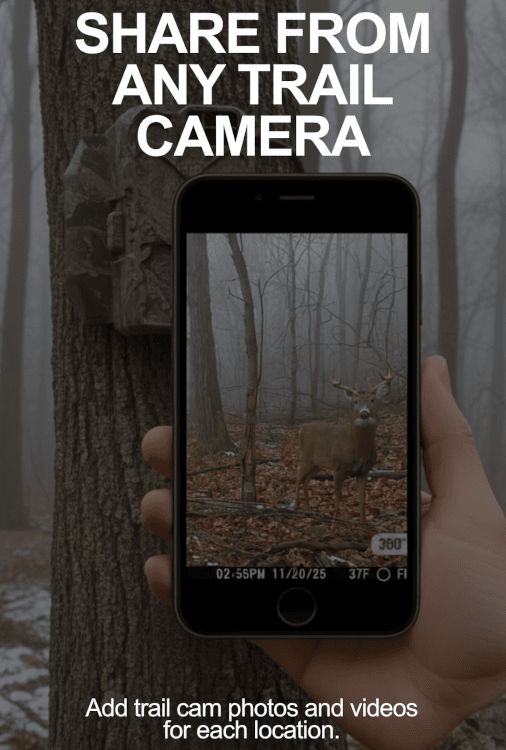
- Check cameras every 4–6 weeks or use cellular trail cameras
- Mount cameras higher and angled downward
- Prioritize video mode when possible
Spring Trail Camera Strategies Turn into a Fall Advantage
The biggest benefit of spring trail cameras is what they allow hunters to do before the season starts. First, the data helps to adjust stand locations months before the season. An advantage in high-pressure areas to minimize disturbance days before opening day. Second, you can design access routes that avoid prime deer locations because you know exactly how deer are moving based on the data collected. Finally, fall archery setups in new locations or on new properties can be prepared months in advance of opening day, reducing in-season intrusion. When fall arrives, you’re executing and not scrambling.
In conclusion, good spring trail camera strategies are not about predicting opening day. They’re about understanding how deer use a property when no one is hunting them. Hunters who collect and apply this data consistently enter the season with clarity, confidence, and a measurable advantage. Spring is where smart deer seasons begin.