

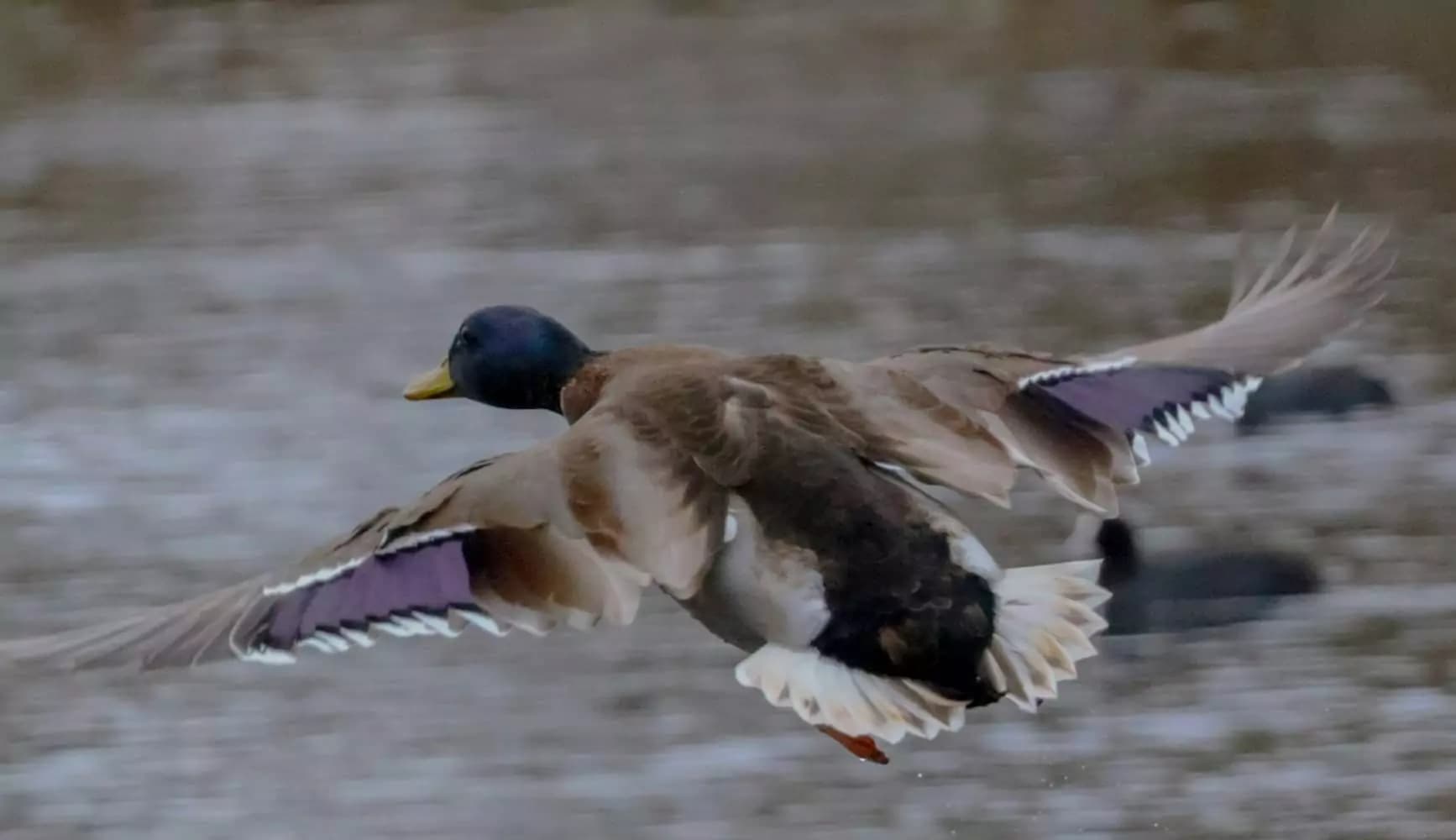
Hunting ducks takes time to scout, set up decoys, and prepare your locations Everything looks right, but the mornings pass with little activity. Maybe a few ducks fly in the distance, or perhaps the marsh seems completely empty. So, why aren’t ducks flying?
When duck hunting slows down, it’s tempting to blame the weather or assume the birds have moved on. But a quiet hunt doesn’t necessarily mean the ducks are gone. Changes in weather, food availability, hunting pressure, and daily movement patterns can all affect when and where ducks appear.
Understanding these factors can help you make better decisions in the field instead of repeatedly hunting the same location and hoping conditions improve.
1. Weather Changes Have Shifted Duck Movement
Weather can influence duck migration, local movement, and daily feeding activity. However, cold temperatures alone don’t guarantee a productive hunt.
Wind direction, precipitation, temperature changes, and the availability of open water can all affect duck behavior. A cold front may encourage new birds to move into a region, but it doesn’t mean those ducks will immediately appear over your favorite hunting spot.
Wind can also change how ducks approach a marsh, cross a field, or travel between resting and feeding areas. After a weather change, birds may use different flight paths or favor sheltered water.
What should you look for?
- Changes in wind direction or intensity since your last successful hunt.
- New precipitation, temperature swings, or freezing conditions.
- Ducks flying along a different shoreline or approaching from an unexpected direction.
- Changes in the availability of open water or sheltered habitat.
Rather than relying on a single weather forecast, compare current conditions with the conditions you recorded during previous hunts when ducks were active. Over time, you may recognize patterns that help you decide when to hunt and which locations deserve another look.
2. Ducks Have Changed Their Feeding or Resting Areas
One of the most frustrating reasons ducks stop showing up is that their preferred habitat has changed.
Ducks need access to food, suitable water, and relatively undisturbed places to rest. As water levels change, vegetation dies back, food becomes less available, or nearby fields are harvested, ducks may shift to different feeding and resting locations.
A marsh that held birds last week might offer fewer resources today. Alternatively, ducks may still be using the same general area but concentrating on a different pond, flooded field, or stretch of river.
This doesn’t always mean migration is underway. Ducks can move between nearby habitats without leaving the region.
How can you respond?
Scout beyond the exact spot where you plan to hunt. Look for feeding activity, fresh sign, groups of ducks resting on the water, and consistent flight paths around sunrise and evening.
Pay attention to where birds are going, not just where you see them. Ducks traveling away from a pond at first light may be heading toward a feeding area, while birds arriving later could be returning to a resting location.
The more you understand the relationship between food, water, and daily movement, the easier it becomes to identify alternative hunting locations.
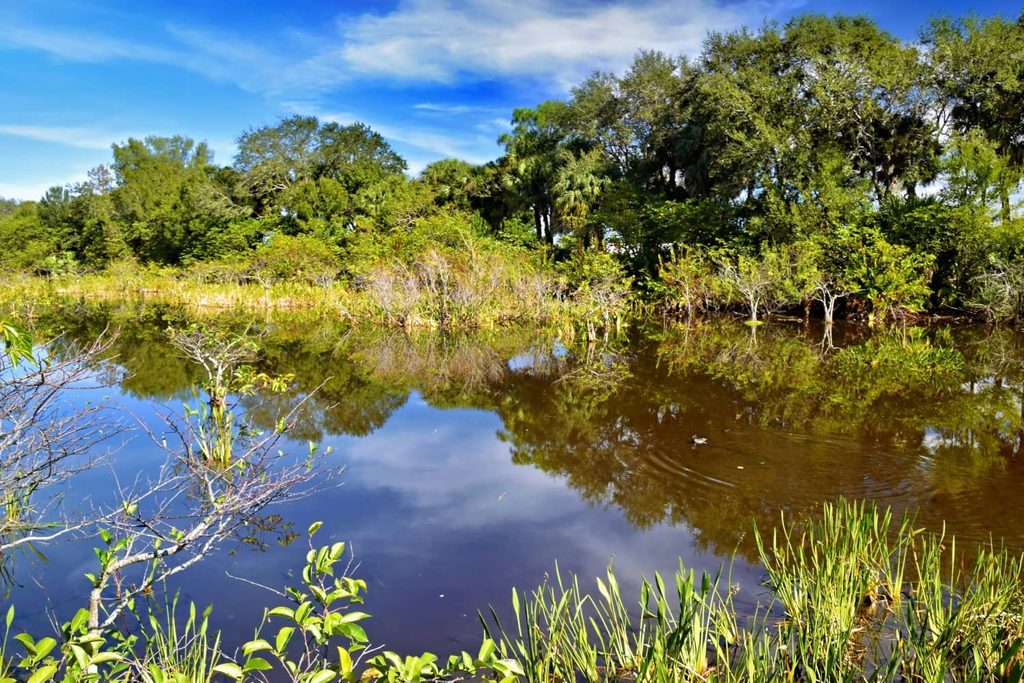
3. Hunting Pressure Has Made Ducks More Cautious
Sometimes the ducks haven’t left the area. They’ve simply become harder to hunt.
Repeated disturbance can change how ducks use a location. Frequent calling, visible blinds, poorly concealed hunters, and repeated approaches to the same resting water can make birds more cautious.
Pressured ducks may begin arriving outside your usual hunting window, favor less accessible water, or avoid areas where they regularly encounter people. Some may also become less responsive to calling and large decoy spreads.
This is especially important as the season progresses and hunting activity increases across a region.
What can you change?
Consider whether your presence is affecting the location. Avoid repeatedly disturbing areas where ducks gather to rest, improve concealment, and pay attention to natural flight paths before deciding where to set up.
A quieter approach may be more productive than adding more decoys or calling more aggressively. In some situations, allowing a location to rest and scouting an alternative area can provide better opportunities than continuing to hunt birds that have become wary.
Record how ducks respond to different setups. If birds consistently avoid a location after repeated hunts, that observation is useful information for future decisions.
4. You’re Hunting at the Wrong Time for Local Duck Activity
Ducks don’t necessarily move on the schedule hunters expect. Some locations experience strong activity around first light, while others see more movement later in the morning or near evening. These patterns can change with feeding opportunities, disturbance, weather, and the availability of safe resting areas.
A spot that produces ducks immediately after sunrise may become quiet once birds have moved to another habitat. Conversely, a location that looks empty early could become active later as ducks relocate.
This is why a slow morning doesn’t automatically mean a location is unproductive.
How do you find the right hunting window?
Scout your intended hunting area at different times when practical and legal. Observe when ducks arrive, when they leave, and which directions they travel. Compare those observations across multiple days instead of drawing conclusions from a single outing.
Also consider whether your own arrival or setup is disturbing birds before the hunt begins. The timing of your approach can matter just as much as the timing of the hunt itself. Recording the time of sightings alongside wind, weather, and location can help reveal patterns that are otherwise easy to overlook.
How to Make Better Decisions When Ducks Stop Flying
When duck activity drops, resist the urge to change everything at once. Start by reviewing what has changed since your last successful hunt.
Ask yourself four questions:
- Weather: Has wind, temperature, precipitation, or water availability changed?
- Habitat: Are ducks still using the same feeding and resting areas?
- Pressure: Have repeated hunts or other hunters made the location less attractive?
- Timing: Are ducks moving at a different time of day than you expected?
Keep notes on your observations, including the locations you scouted, weather conditions, flight activity, decoy setups, and hunting pressure. A hunting journal like TrophyTracks can help you compare successful and unsuccessful hunts and identify patterns over time.
TrophyTracks helps hunters record their hunting experiences and organize information they can review when planning future hunts. Whether you’re pursuing whitetails or waterfowl, keeping track of what happens in the field can help turn individual outings into useful experience.
Why Aren’t Ducks Flying? Final Thoughts on How to Improve Your Waterfowl Season
If you’re wondering why ducks aren’t flying, don’t assume the birds have disappeared for good. Weather changes, shifting food and water conditions, hunting pressure, and daily movement patterns can all affect where and when ducks are active.
The next time a hunt turns quiet, use it as an opportunity to gather information. Scout a different area, observe movement at another time, and record what you learn. You may discover that the ducks haven’t gone anywhere. They’ve simply changed their routine. Understanding that change is the first step toward a better hunt and understanding why ducks have stopped flying in your hunting areas.